

Why are thunderstorm warnings trending in Australia?
Thunderstorm warnings are trending as a low-pressure system brings severe storms to Queensland and New South Wales. Brisbane faces a week of humid weather with daily storm risks, while other eastern regions also face threats of damaging winds, hail, and flash flooding.
What happened
- Earlier
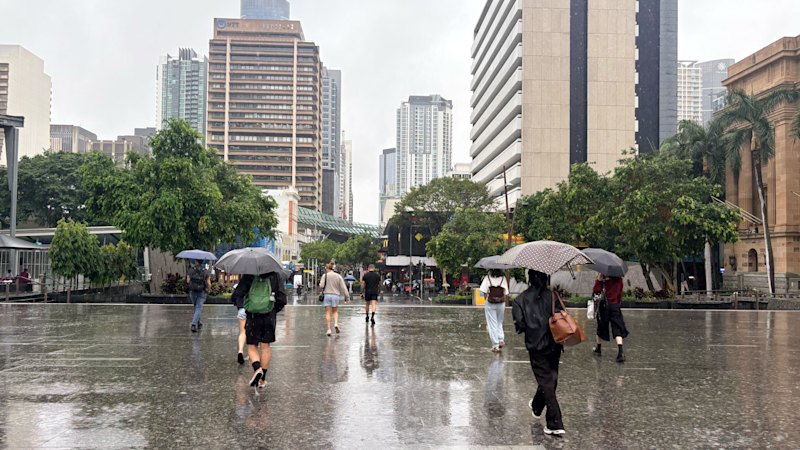
The Bureau of Meteorology warned Brisbane would face severe thunderstorms from Wednesday, with risks including damaging winds, heavy rain, and large hail. [1]
- Earlier
A deepening low-pressure trough began moving across eastern Australia, triggering thunderstorm warnings for New South Wales and Queensland. [2]
What you need to know
Brisbane is the worst-affected city, with storms forecast daily through next week. [1]
Risks include flash flooding due to already-saturated ground in some areas. [1]
Other affected regions include Sydney, Canberra, and southeast Queensland. [2]
Wednesday's storms were predicted to be the most severe, with conditions easing slightly later in the week. [1]
It's unclear exactly which suburbs will be hit each day as storms track unpredictably, though southeast Queensland is the current focus area. [1]
Background
A low-pressure trough moving eastward from Western Australia is colliding with moisture-laden air, creating unstable conditions ideal for thunderstorms. [2]
Brisbane's weather turned humid and overcast on Wednesday morning, with storms developing by midday as temperatures rose rapidly. [1]
Questions people ask
What dangers do these storms bring?
Warnings highlight damaging winds, large hail, heavy rainfall, and potential flash flooding. [1][2]
How long will this stormy weather last?
Daily storms are forecast through at least Sunday, with drier conditions expected mid-next week. [1]
Which areas are most at risk?
Southeast Queensland (including Brisbane) and parts of New South Wales face the highest risks, though storms may develop anywhere along Australia's east coast. [1][2]
Where this came from

Found through Google Trends and drafted with AI from at least two cited sources. Published automatically after passing our automated checks for sources, wording and safety. It may not have been reviewed by a person yet. Report a correction.