


UK Fog Weather Warnings: Why Heavy Fog Is Disrupting Travel
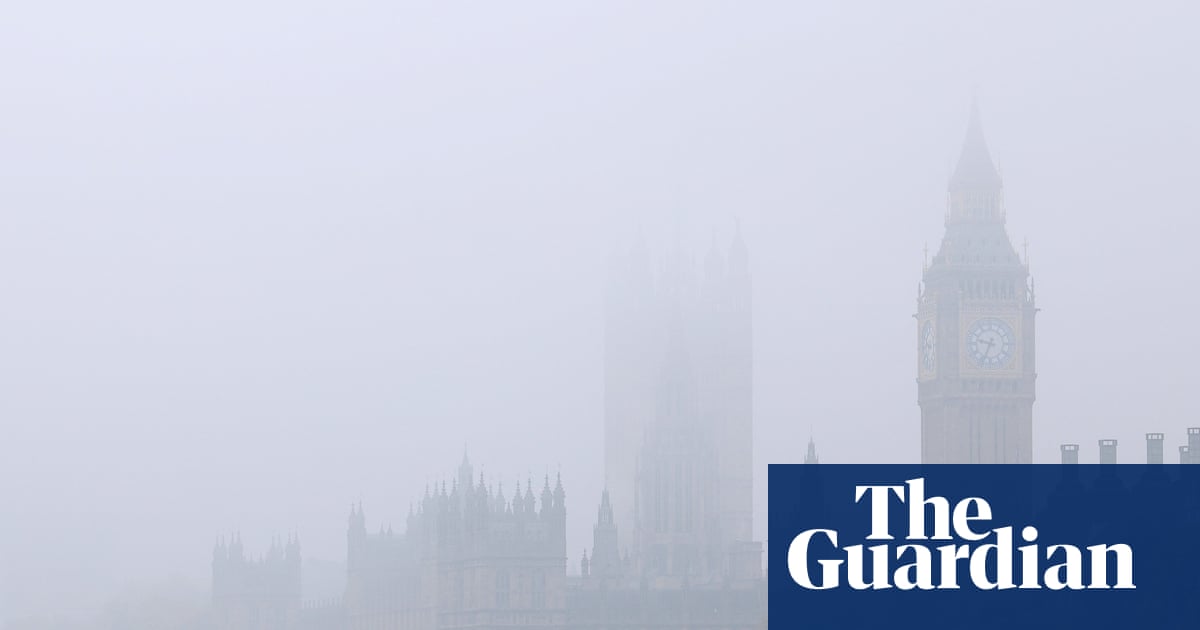
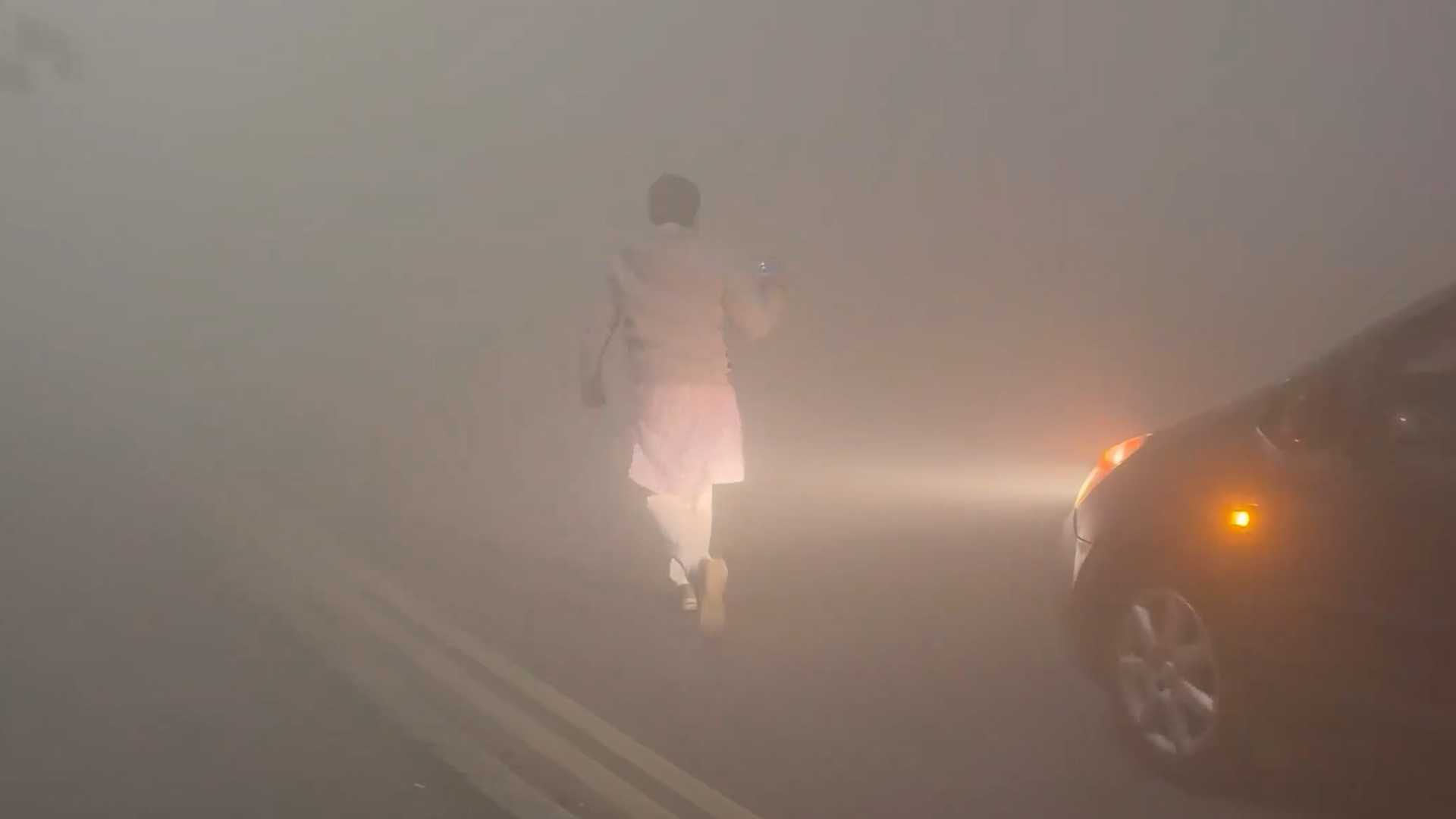
Heavy fog across large areas of the UK has led to Met Office yellow weather warnings and widespread travel disruption. High pressure, clear skies, and light winds combined with recent bonfire smoke to drop visibility below 100 metres in some places. The conditions have caused major highway collisions and flight delays at Heathrow Airport.

What happened
- Saturday night
Heavy fog contributes to a 30-car collision on the M20 in Kent and a 19-car crash on the A303 [1].
- Monday morning
Initial Met Office warnings expire while fog delays flights at Heathrow and shuts a portion of the M40 [1], [2].
- Monday evening
A fresh yellow warning for dense fog comes into force through Tuesday morning across areas of Wales, northern England, the Midlands, and East Anglia [1].
What you need to know
Visibility can drop below 50 to 100 metres in the warning areas [1], [2].
Drivers are advised to switch on fog lights, extend stopping distances, and avoid following closely behind vehicle tail lights [1], [2].
Passengers heading to Heathrow Airport should verify flight details with airlines and give themselves extra travel time [1], [2].
The updated weather warning spans parts of northern England, the Midlands, East Anglia, and eastern Wales [1].
It is not yet confirmed how many total flights will be delayed or cancelled as weather conditions change.
Background
The dense fog was produced by a combination of high atmospheric pressure, light winds, and overnight temperature drops. Longer autumn and winter nights give the land more time to cool, turning ground-level moisture into suspended droplets [1], [2].
Smoke particles from recent fireworks and bonfire displays made the fog thicker. The tiny particles served as additional condensation points, enabling more atmospheric moisture to form cloud droplets close to the ground [1].
Questions people ask
Which regions are affected by the fog warnings?
The updated warning affects areas across East Anglia, the Midlands, eastern and north-eastern Wales, and parts of northern England [1].
How did bonfire smoke affect the weather conditions?
Smoke particles acted as extra cloud condensation nuclei, allowing more ground moisture to turn into dense fog [1].
What driving precautions are recommended during the fog?
Motoring groups recommend driving to actual visible distance, leaving extra stopping room, using fog lights, and avoiding tailgating [1], [2].
Where this came from
[1] bbc.com
Thick fog disrupts travel with further weather warning issued
Preview image from bbc.com
 [2] theguardian.com
Fog shrouding swathes of UK likely to disrupt transport early this week
Preview image from theguardian.com
 [3] weather.com
Dense fog in London, southeast England snarls travel
Preview image from weather.com
Found through Google Trends and drafted with AI from at least two cited sources. Published automatically after passing our automated checks for sources, wording and safety. It may not have been reviewed by a person yet. Report a correction.