


Weather alerts issued for hilly regions of Nepal
Weather is trending due to heavy rainfall in the Sudurpaschim province and yellow alerts issued for four other provinces. A westerly low-pressure system and monsoon winds are causing thunderstorms and rain across the mountains and hills.
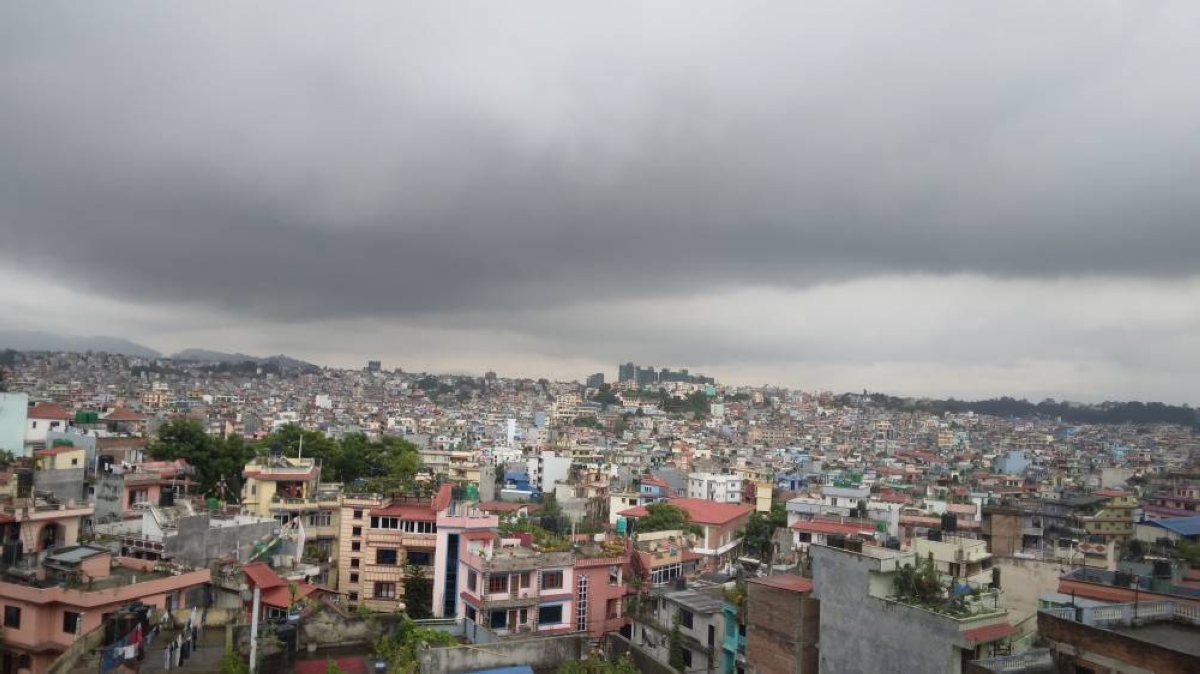
What happened
- Earlier
Darchula's Dharampani recorded 61mm of rain and Pokhara's Malepatan saw 48.2mm over 24 hours [3]
- 12 Oct, 01:00 UTC
Yellow alerts are active for hilly areas in Sudurpaschim, Karnali, Bagmati, and Koshi provinces [3]
What you need to know
Heavy rain and thunderstorms are likely in the Himalayan and hilly regions [1].
The Terai plains are expected to remain mostly clear with temperatures up to 34°C [1].
Agricultural activities may be impacted by the current weather patterns [3].
Residents in alert zones are advised to monitor official forecasts [3].
The exact duration of the current low-pressure system is not specified.
Background
The current weather is driven by a westerly low-pressure system interacting with monsoon winds [1]. This has led to varied conditions, ranging from snowfall in high altitudes to clear skies in the southern plains [2].
The Department of Hydrology and Meteorology is monitoring the situation, specifically noting the risk of moderate to heavy rain in 30 to 50 percent of mountainous regions [3].
Questions people ask
Which areas are under a yellow alert?
The alert applies to the hilly regions of Karnali, Sudurpaschim, Bagmati, and Koshi provinces [3].
What is the forecast for Kathmandu?
Light rain and thunderstorms are expected, with daytime temperatures between 25°C and 27°C [1].
Where this came from
[1] thehimalayantimes.com
Rain, thunderstorms likely across Nepal's hills and mountains
Preview image from thehimalayantimes.com
 [2] english.ratopati.com
Weather Forecast: Partial Influence of Westerly and Monsoon Winds
Preview image from english.ratopati.com
[2] english.ratopati.com
Weather Forecast: Partial Influence of Westerly and Monsoon Winds
Preview image from english.ratopati.com
 [3] english.nepalnews.com
Heavy rain hits Sudurpaschim; alert issued for four provinces
Preview image from english.nepalnews.com
[3] english.nepalnews.com
Heavy rain hits Sudurpaschim; alert issued for four provinces
Preview image from english.nepalnews.com
Found through Google Trends and drafted with AI from at least two cited sources. Published automatically after passing our automated checks for sources, wording and safety. It may not have been reviewed by a person yet. Report a correction.