


Singapore air quality declines amid haze
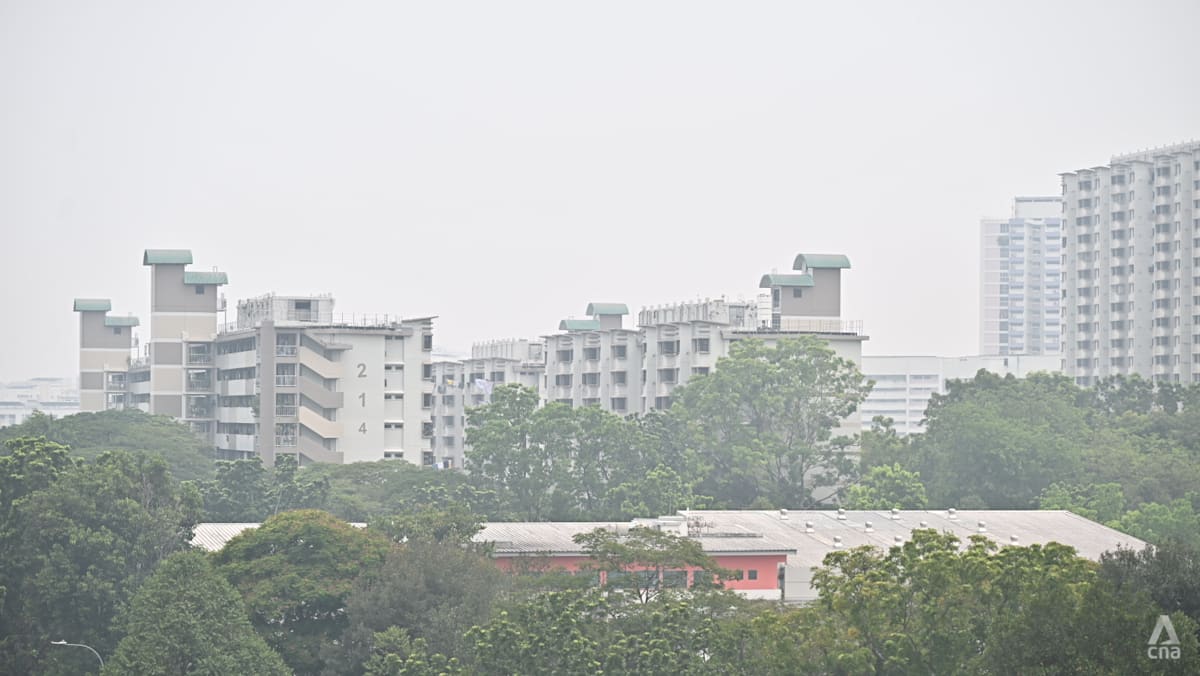
Singapore is experiencing a haze episode with unhealthy Pollutant Standards Index (PSI) readings recorded since Oct 5. The National Environment Agency is currently monitoring fire hotspots and their impact on local air quality.
What happened
- 5 Oct
At least one region in Singapore begins recording unhealthy 24-hour PSI levels [1].
- 7 Oct
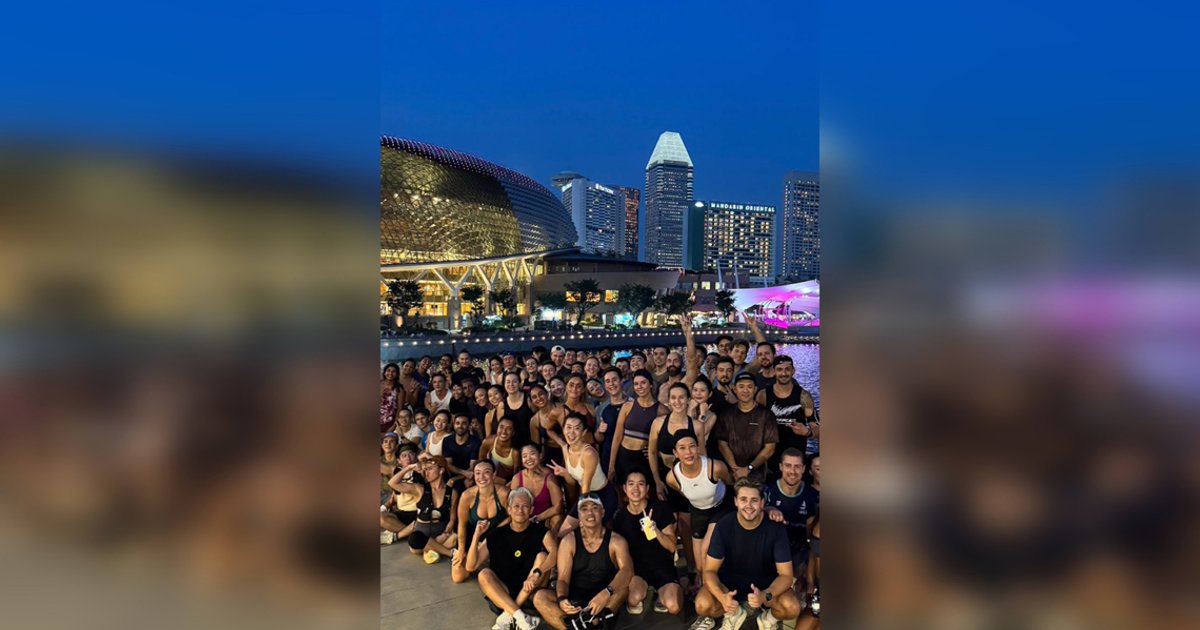
All five regions register unhealthy PSI readings by 7pm; some run clubs cancel activities [2].
- 9 Oct
Central Singapore hits a 2026 peak PSI of 186 at 2pm [2].
- 10 Oct
Singapore Runners Club and Parkrun Singapore cancel free runs [2].
- 11 Oct
An outdoor exercise event at Tanjong Beach Club is cancelled [2].
- 12 Oct
NEA confirms it is tracking haze sources and monitoring the situation [1].
What you need to know
PSI readings between 101 and 200 are categorized as unhealthy [2].
Healthy individuals should limit strenuous outdoor activities during unhealthy air quality [2].
People with chronic lung or heart conditions are advised to avoid outdoor exertion [2].
The Transboundary Haze Pollution Act allows legal action against companies causing haze, even if they are based overseas [1].
The NEA has not confirmed if it will take legal action under the Transboundary Haze Pollution Act for the current haze episode [1].
Background
Singapore frequently deals with haze caused by peatland and forest fires in nearby countries [1].
The Transboundary Haze Pollution Act was established in September 2014 to hold responsible entities accountable [1].
While the Act allows for fines up to S$2 million, no one has been fined or sued under the law to date [1].
Questions people ask
What is the current air quality status?
PSI readings have been in the unhealthy range in at least one region since Oct 5, peaking at 186 in central Singapore on Oct 9 [1, 2].
Are there ongoing legal cases regarding haze?
Investigations are still active for four Indonesian companies linked to fires during the 2015 haze episode [1].
Where this came from
[1] channelnewsasia.com
NEA tracking haze hotspots and sources as earlier investigations under Transboundary Haze Pollution Act continue
Preview image from channelnewsasia.com
 [2] straitstimes.com
At least five races and running club events cancelled due to haze in Singapore
Preview image from straitstimes.com
[2] straitstimes.com
At least five races and running club events cancelled due to haze in Singapore
Preview image from straitstimes.com
Found through Google Trends and drafted with AI from at least two cited sources. Published automatically after passing our automated checks for sources, wording and safety. It may not have been reviewed by a person yet. Report a correction.