


Why is NASA’s Swift Observatory trending today?
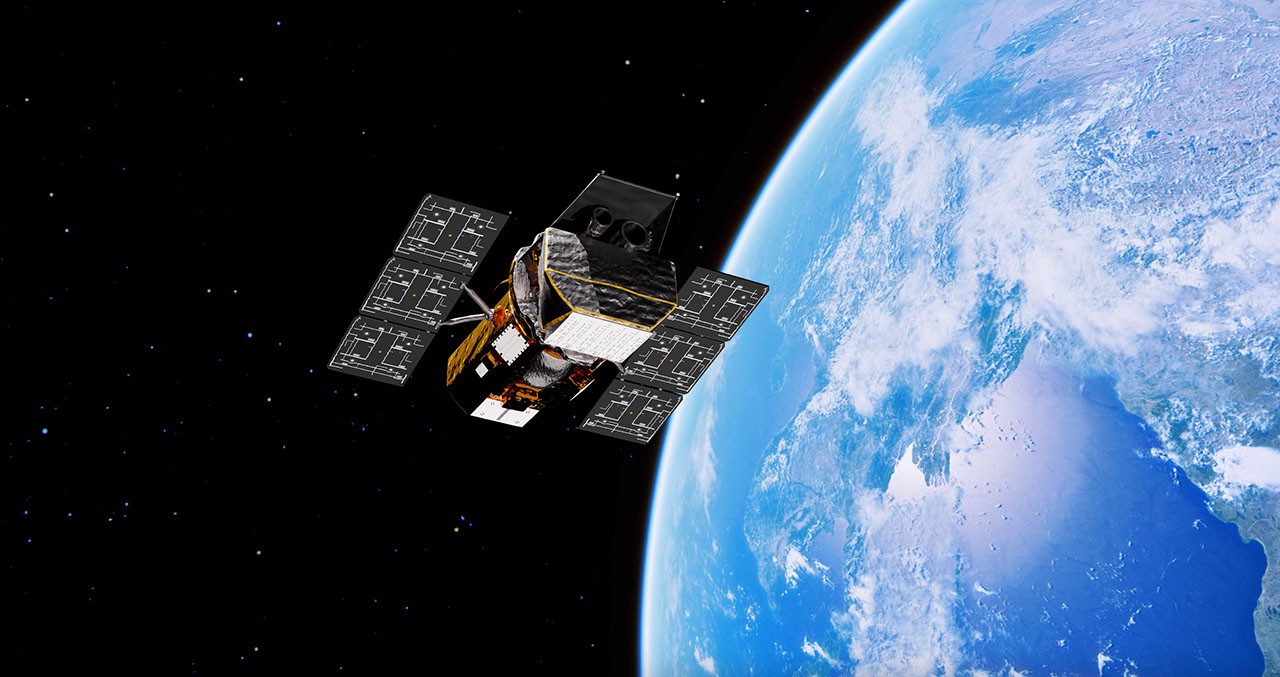
NASA's Swift Observatory is trending today because it re-entered Earth's atmosphere after 22 years in space. The observatory, which studied gamma-ray bursts and other cosmic events, was expected to mostly burn up upon re-entry, but some components may have survived.
What happened
- 20 Nov 2004
NASA launched the Neil Gehrels Swift Observatory to study gamma-ray bursts and other cosmic events [1].
- 20 Oct 2026
Swift's orbit decayed to 171 miles above Earth, and the observatory entered safe mode [2].
- 4 Nov 2026
NASA confirmed that Swift re-entered Earth's atmosphere over Indonesia [1].
What you need to know
Swift was launched in 2004 to study gamma-ray bursts and other cosmic events.
The observatory re-entered Earth's atmosphere on 4 Nov 2026 over Indonesia.
Most of the spacecraft is expected to burn up upon re-entry, but some components may survive.
The exact time and location of Swift's re-entry were not confirmed until 4 Nov 2026.
Background
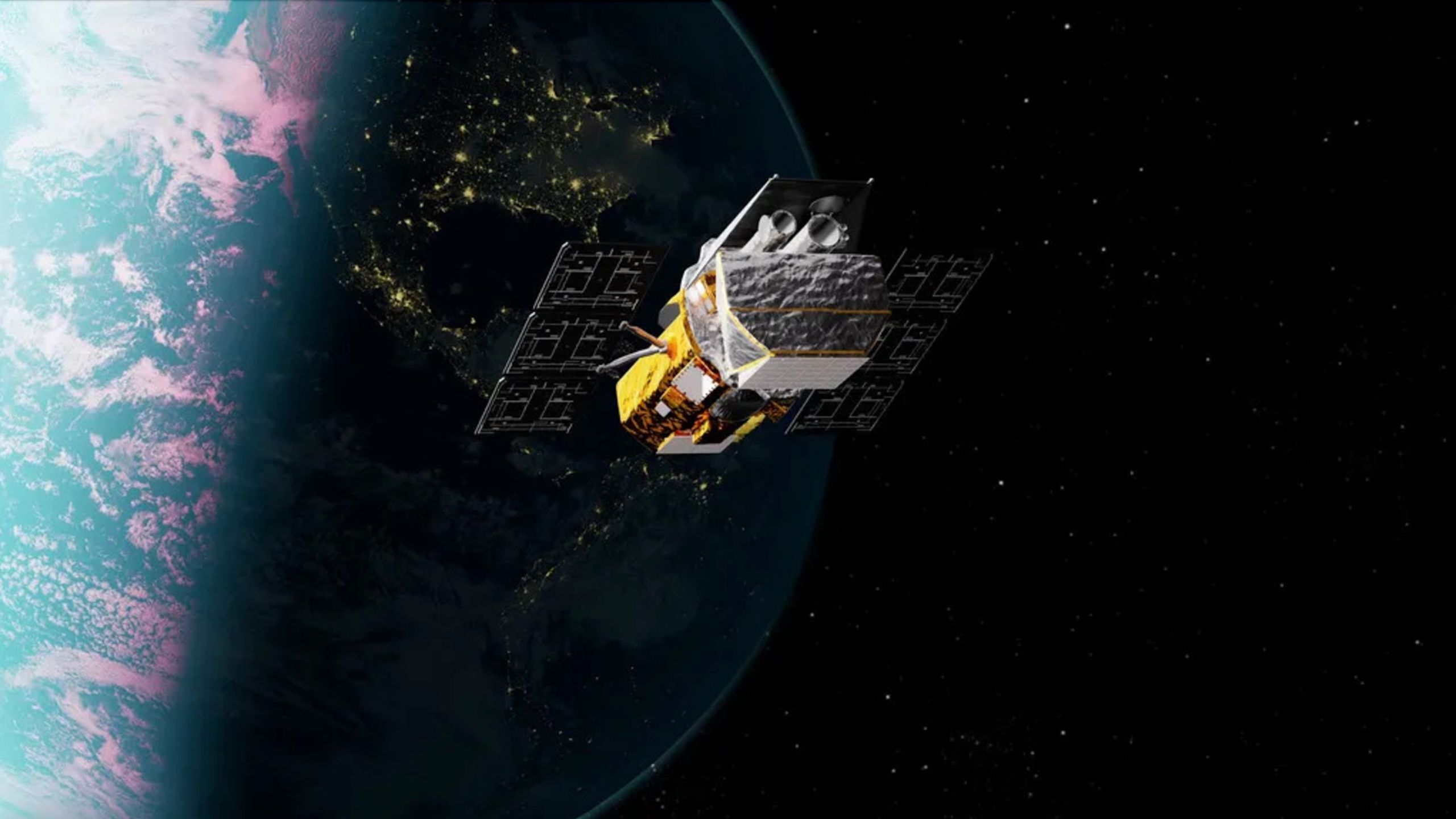
NASA's Neil Gehrels Swift Observatory is a satellite that studies gamma-ray bursts and other cosmic objects and events. It was launched in 2004 and has been operational for over two decades. The observatory is equipped with three telescopes: a Burst Alert Telescope, an X-Ray Telescope, and an Ultraviolet/Optical Telescope.
Swift's orbit decayed to 171 miles above Earth in October 2026, and the observatory entered safe mode. A command was sent to end its operations ahead of its re-entry. The observatory is expected to mostly burn up upon re-entry, but some components may survive.
The re-entry of Swift is part of a growing trend of more objects re-entering Earth's atmosphere each year due to the increasing number of low Earth orbit constellations and technology refresh cycles.
Questions people ask
What was the purpose of the Swift Observatory?
The Swift Observatory was designed to study gamma-ray bursts and other cosmic events using its three telescopes.
Where did Swift re-enter Earth's atmosphere?
Swift re-entered Earth's atmosphere over the North Sumatra region of Indonesia.
Will Swift pose a hazard upon re-entry?
Swift is not expected to pose a ground casualty hazard, but some components of the observatory may survive re-entry.
Where this came from
Found through Google Trends and drafted with AI from at least two cited sources. Published automatically after passing our automated checks for sources, wording and safety. It may not have been reviewed by a person yet. Report a correction.