


Why is NASA trending today?
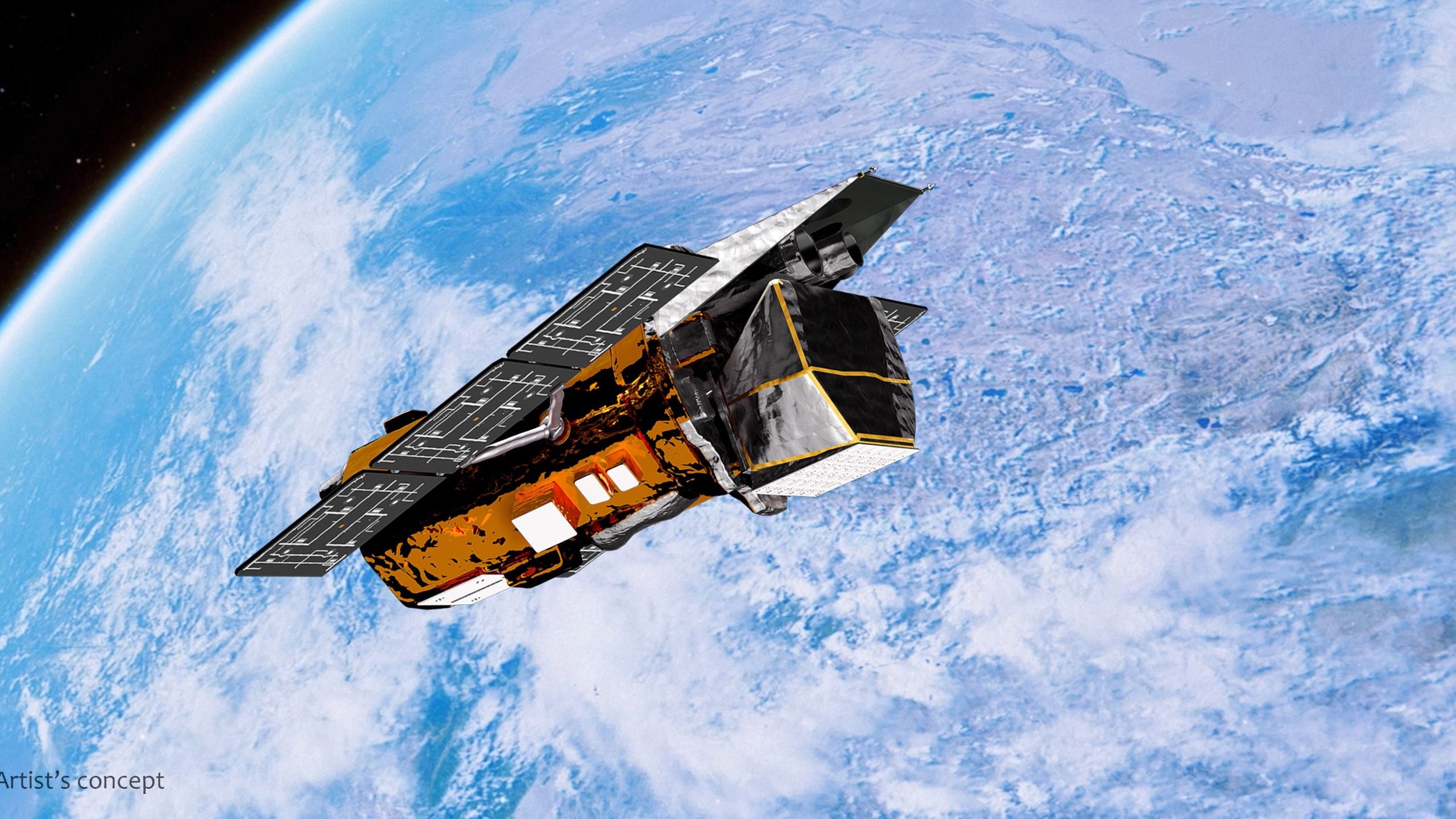
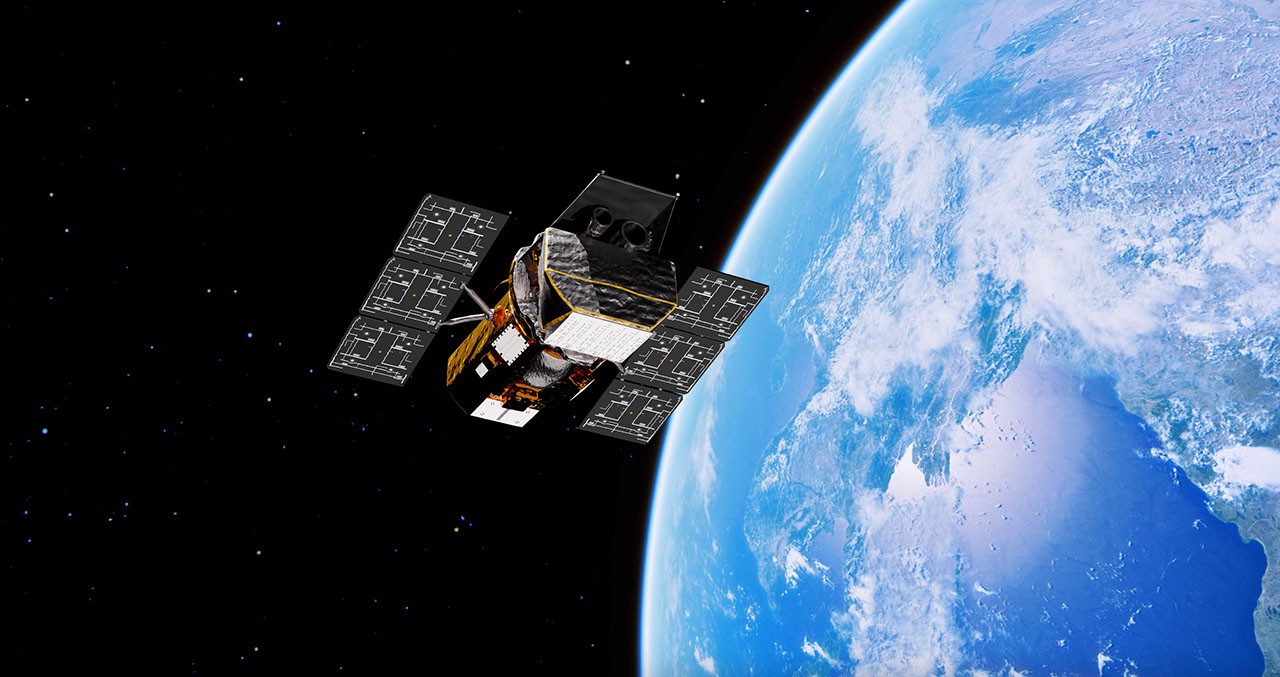
NASA's Neil Gehrels Swift Observatory, a telescope that studied the universe's most powerful explosions, has re-entered Earth's atmosphere after over 21 years in space. It crashed down today (Nov 4) over Indonesia, with most of it burning up. This dramatic end to its long mission, plus a failed robot rescue bid, has sparked global interest.

What happened
- 4 Nov, 07:39 EST
Swift re-enters Earth's atmosphere over northern Sumatra, Indonesia. [2][3]
- Earlier
Swift's science operations end after 21+ years (Oct 23, 2026). [1]
- Earlier
Rescue attempt by robotic spacecraft LINK fails (July 2026). [1]
What you need to know
Swift launched in 2004 to study gamma-ray bursts (massive cosmic explosions). [2][3]
It operated for 21+ years – 10 times longer than planned. [1][2]
Most of the spacecraft burned up; any surviving debris likely landed in ocean/desert. [1][3]
Risk of debris harming anyone was calculated as 1 in 2,100. [2]
No confirmed reports of debris recovery or specific impact locations beyond the re-entry point over Indonesia.
Background
The minibus-sized observatory (3,200 lbs/1,450 kg) was a first-of-its-kind multiwavelength telescope. [2][3]
It detected over 2,000 gamma-ray bursts and 1,400 supernovae, contributing to 7,000 scientific papers. [1][2]
Solar activity caused its orbit to decay faster in recent years. [1]
Questions people ask
What was the rescue attempt?
A private robotic mission by Katalyst Space tried to boost Swift's orbit in 2025 but failed to connect. [1][2]
Was there any danger from the crash?
NASA stressed the risk to people was extremely low, with debris likely falling in unpopulated areas. [1][2][3]
What did Swift achieve?
It revolutionized the study of cosmic explosions, operating for over two decades and gathering 12 terabytes of data. [1][2]
Where this came from
[1] bbc.co.uk
Nasa telescope falling back to Earth after 22 years of dramatic discoveries
Preview image from bbc.co.uk
 [2] space.com
NASA's Swift space telescope crashes back to Earth after failed rescue attempt
Preview image from space.com
 [3] science.nasa.gov
NASA’s Swift Observatory Re-Entered Atmosphere
Preview image from science.nasa.gov
Found through Google Trends and drafted with AI from at least two cited sources. Published automatically after passing our automated checks for sources, wording and safety. It may not have been reviewed by a person yet. Report a correction.