


Why is the haze level trending in Singapore?
Air quality has remained in the unhealthy range since October 5, with a peak PSI of 192 recorded on October 9. This prolonged episode has triggered the Transboundary Haze Pollution Act and led to adjusted activities at mosques and schools.
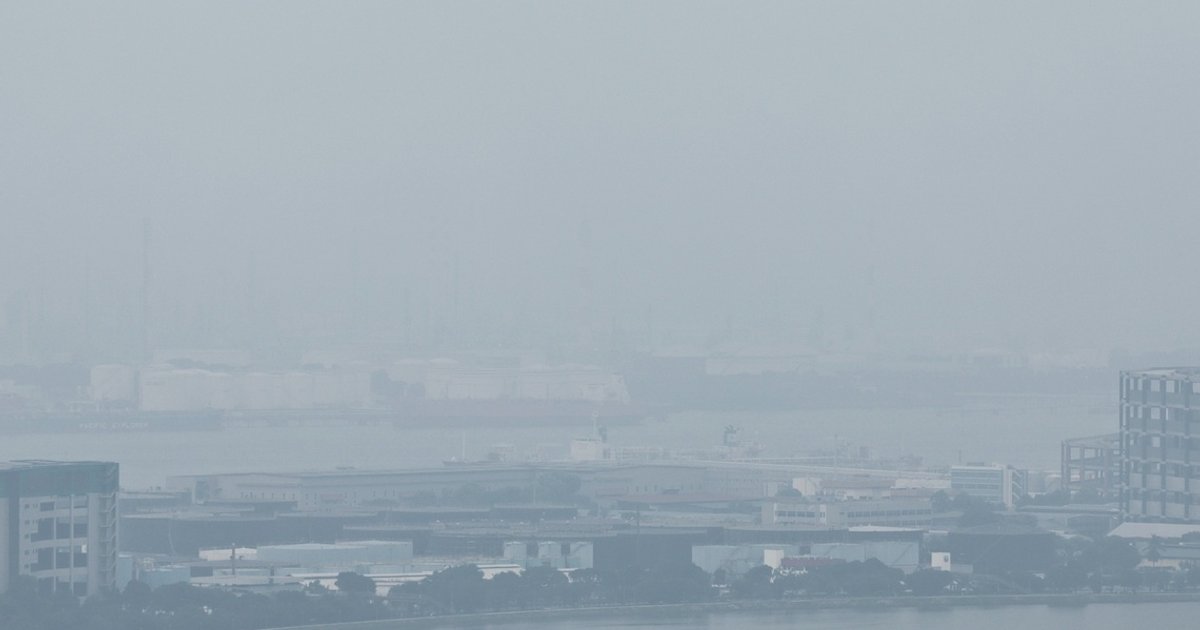
What happened
- 4 Sept
Air quality first dropped to unhealthy levels [1].
- 5 Oct
The current and longest episode of unhealthy air began [1].
- 9 Oct
PSI hit 192 in central Singapore, the highest level for the year [1].
- 10 Oct
Singapore offered assistance to Indonesia to help manage the haze [1].
- 12 Oct
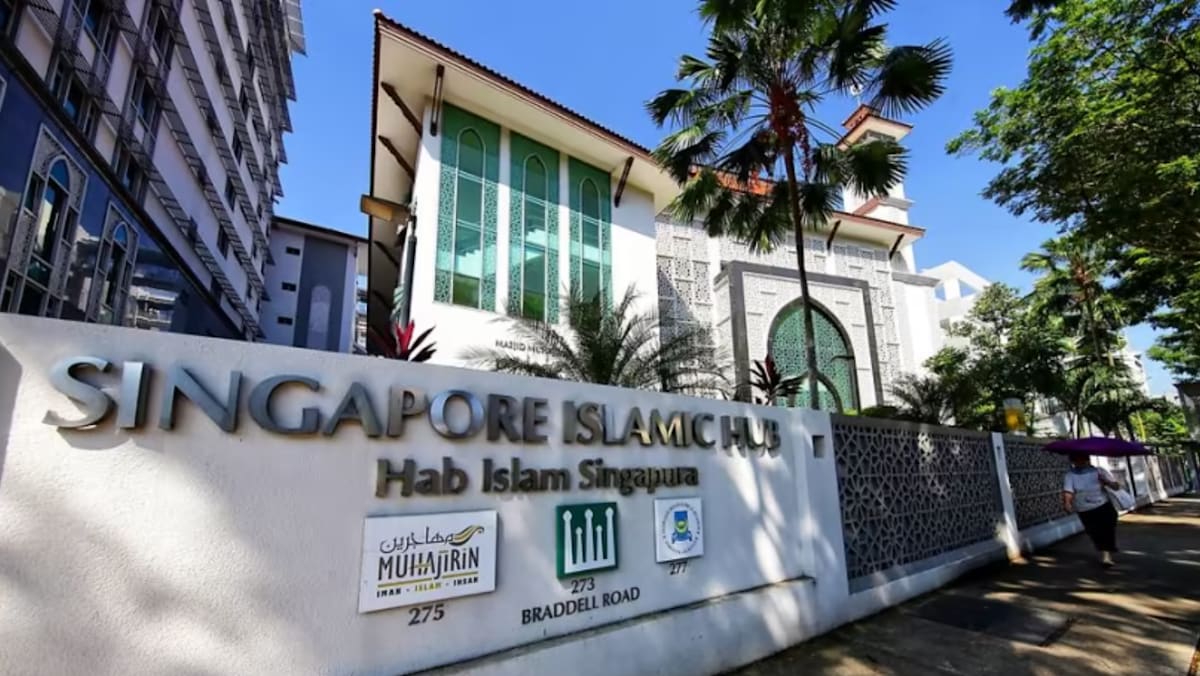
MUIS announced haze preparedness measures for mosques and kindergartens [2].
What you need to know
Air is considered unhealthy when the Pollutant Standards Index (PSI) is 101 or higher [1].
The Transboundary Haze Pollution Act can be used if PSI stays unhealthy for 24 hours or more [1].
Mosques will stop non-essential outdoor activities if the 24-hour PSI reaches the 'very unhealthy' range (201–300) [2].
People with health conditions or the elderly are advised to wear suitable masks [2].
It is not confirmed if Singapore will take legal action against specific companies responsible for the fires [1].
Background
Haze in Southeast Asia is a recurring issue caused by land and forest fires in Indonesia, often linked to clearing land for pulp and oil palm plantations [1].
The National Environment Agency (NEA) monitors hot spots and works with ASEAN partners to provide early warnings and coordinate regional responses [1].
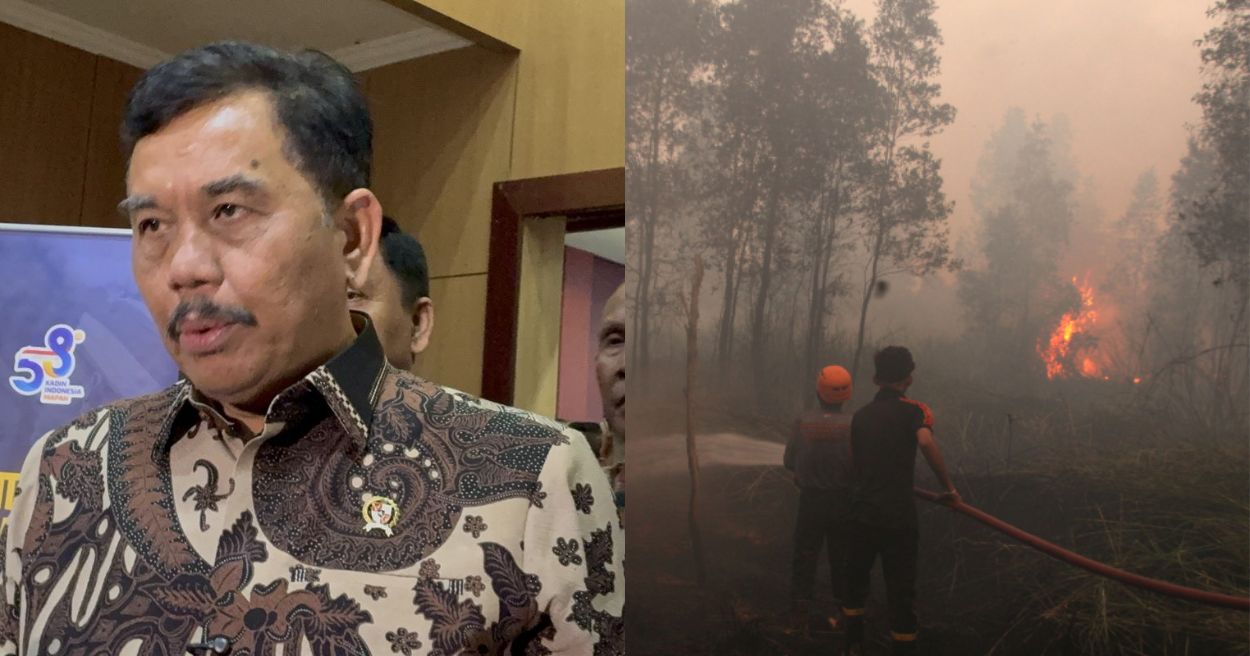
Indonesian officials have described the current fires as a natural phenomenon beyond human error [3].
Questions people ask
What is the penalty for violating the Transboundary Haze Pollution Act?
Those found guilty can face daily fines up to $100,000, with a maximum total fine of $2 million [1].
How is Indonesia responding to the situation?
Indonesia has welcomed help from Singapore and Malaysia, noting that ground personnel are more useful than aircraft due to low visibility [3].
Where this came from
[1] straitstimes.com
Unhealthy air quality in S’pore enough to trigger haze pollution law; NEA is monitoring situation
Preview image from straitstimes.com
 [2] channelnewsasia.com
Mosques to remain open for prayers, arrangements may be adjusted if haze worsens
Preview image from channelnewsasia.com
[2] channelnewsasia.com
Mosques to remain open for prayers, arrangements may be adjusted if haze worsens
Preview image from channelnewsasia.com
 [3] mothership.sg
Indonesian govt official says forest fires 'beyond human error' & their forests 'send oxygen' if there's no haze
Preview image from mothership.sg
[3] mothership.sg
Indonesian govt official says forest fires 'beyond human error' & their forests 'send oxygen' if there's no haze
Preview image from mothership.sg
Found through Google Trends and drafted with AI from at least two cited sources. Published automatically after passing our automated checks for sources, wording and safety. It may not have been reviewed by a person yet. Report a correction.