

Why United Launch Alliance’s Vulcan rocket launch failed
The Vulcan Centaur rocket experienced a fatal problem ten minutes after liftoff from Florida, failing to deliver its cargo into orbit. This marked the first total mission failure for United Launch Alliance's new flagship vehicle, destroying 40 Amazon Leo broadband satellites. The incident creates a major setback for Amazon's plans to build its global internet constellation.
What happened
- Jan 2024
Vulcan makes its inaugural test flight [1].
- Oct 2024
A booster nozzle burns through on Vulcan's second mission, but the payload still reaches orbit [1].
- Feb 2026
A similar booster nozzle problem occurs on Vulcan's fourth launch [1].
- 28 Oct 2026
ULA announces nozzle redesigns and process fixes to address previous booster issues [1].
- 15 Nov 2026, 17:40 UTC
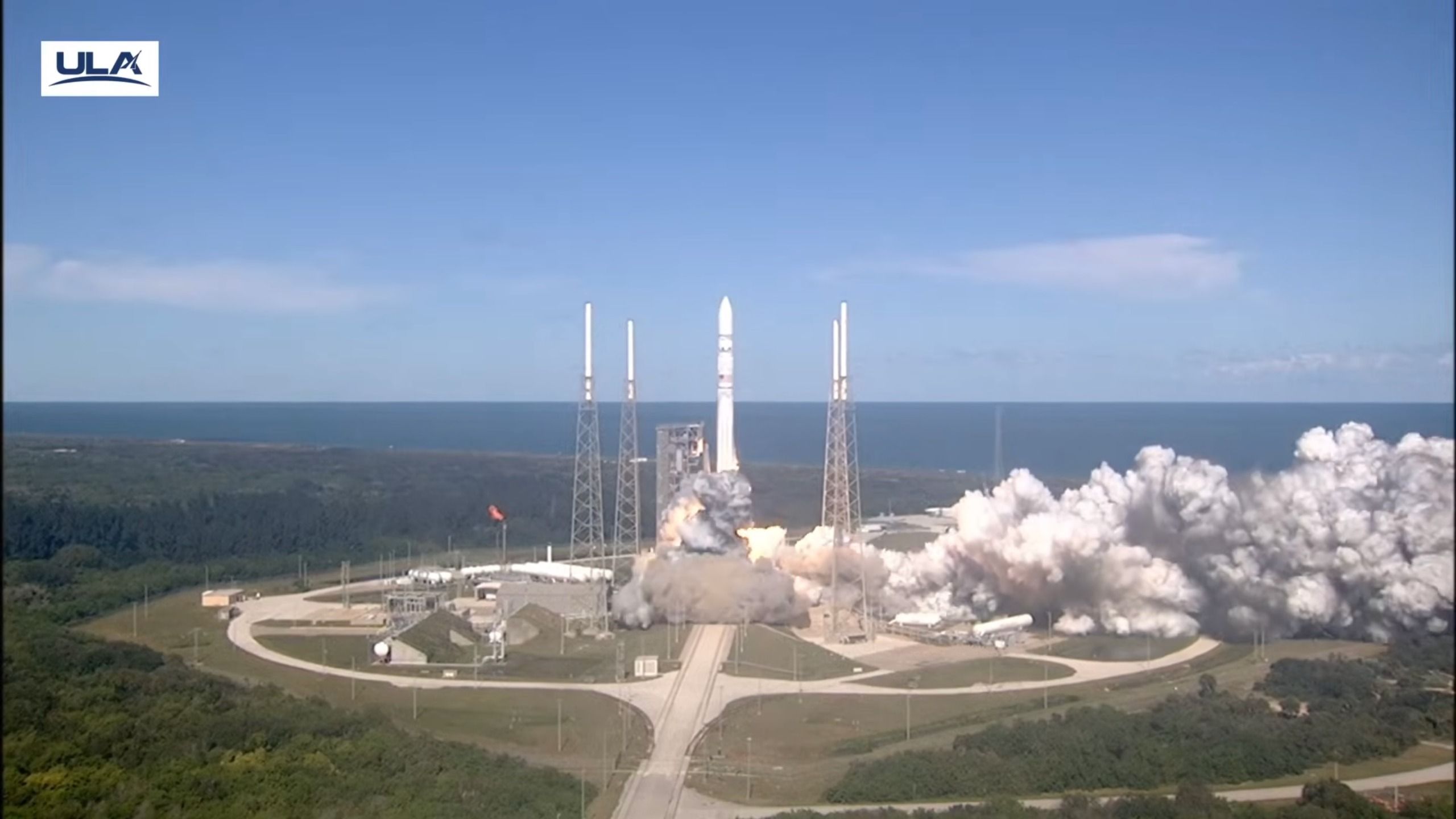
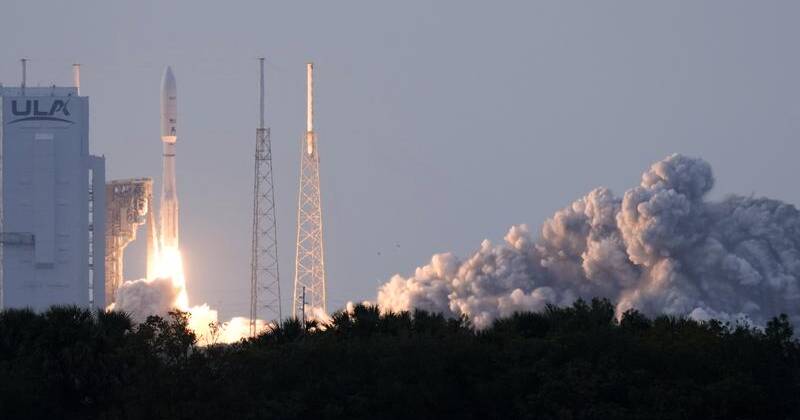
Vulcan launches from Space Launch Complex 41 in Florida, but a malfunction 10 minutes into flight destroys all 40 satellites [1][2].
What you need to know
The mission was Vulcan's return to flight after a nine-month break to fix solid rocket booster nozzle issues [1].
While the boosters performed properly this time, a separate malfunction occurred ten minutes into the flight [1][2].
All 40 Amazon Leo satellites onboard were lost before reaching low Earth orbit [1][2].
The failure creates further delays for Amazon's plan to begin public internet service in 2026 [2].
ULA has not yet determined the specific cause of the ten-minute malfunction. It remains unclear how long future Vulcan launches will be delayed.
Background
United Launch Alliance, a joint venture formed by Boeing and Lockheed Martin, created Vulcan Centaur to succeed its Atlas V rocket. Prior to this flight, Vulcan had completed four missions. Although two earlier flights suffered booster nozzle burn-throughs, the rocket maintained enough capability to place its payloads in orbit.
Following those booster incidents, the U.S. Space Force halted national security missions on Vulcan until ULA corrected the design. ULA implemented nozzle upgrades and prepared for this return-to-flight attempt.
The lost cargo belonged to Amazon Leo, a planned network of more than 3,200 low Earth orbit satellites designed to compete against SpaceX's Starlink network. Prior to this launch, Amazon had deployed roughly 400 satellites across 14 to 15 flights using third-party rockets.
Questions people ask
Who owns and operates the Vulcan rocket?
Vulcan is built by United Launch Alliance, a joint venture between Boeing and Lockheed Martin.
What was lost during the Vulcan launch failure?
The rocket was carrying 40 broadband satellites for Amazon's satellite internet network, Amazon Leo.
Has Vulcan experienced issues on earlier launches?
Yes, booster nozzles burned through on two prior flights, but those missions still successfully reached orbit.
Where this came from
[1] space.com
Vulcan Centaur rocket fails during return-to-flight launch, 40 Amazon satellites lost (video)
Preview image from space.com
 [2] canberratimes.com.au
Rocket from Boeing-Lockheed firm fails mid-flight
Preview image from canberratimes.com.au
 [3] spacenews.com
Vulcan launch of Amazon Leo satellites fails
Preview image from spacenews.com
Found through Google Trends and drafted with AI from at least two cited sources. Published automatically after passing our automated checks for sources, wording and safety. It may not have been reviewed by a person yet. Report a correction.