


Fog warnings cause travel disruption across UK
The Met Office issued yellow fog warnings for much of England, Wales and Northern Ireland, leading to reduced visibility, road accidents and flight delays. Drivers are advised to allow extra time, use fog lights and adjust speed, while airlines warn passengers to check flight status.

What happened
- Earlier
Thick fog formed overnight due to low temperatures and light winds, creating dense fog with visibility below 100 metres [1]
- 10 Nov, 06:30 UTC
Heathrow warned of reduced visibility and advised extra travel time for journeys to the airport [1]
- 10 Nov, 08:00 UTC
M40 southbound section closed after a crash between junctions 1A and 1, caused by foggy conditions [1]
- 10 Nov, 10:00 UTC
Bristol Airport reported three flights diverted and one returned to Dublin because of thick fog, with 14% of flights delayed [2]
What you need to know
Allow extra time for journeys and adjust plans if needed
Use fog lights and drive at a speed appropriate to visibility
Leave a larger following distance between vehicles
Check airline or transport operator updates before leaving home
It is not confirmed how long the fog will persist beyond Tuesday morning or the total number of flight cancellations beyond the reported diversions and delays. The exact extent of road closures and impact on public transport remains unclear.
Background
The Met Office explained that a large area of high pressure over the UK created ideal conditions for dense fog, with overnight temperatures dropping to 3‑5 °C and light winds allowing moisture to condense into fog with visibility under 100 m [1].
Warnings were issued for much of England, Wales and Northern Ireland, and transport operators such as Heathrow and Bristol Airport advised passengers to allow extra travel time and check flight status due to reduced visibility and flight diversions [1][2].
Questions people ask
Why is there so much fog this week?
Because low overnight temperatures, clear skies and light winds created a perfect recipe for fog, as stated by the Met Office [1].
Should I still travel if a fog warning is in place?
Drivers are advised to allow extra time, use fog lights, reduce speed and increase following distance, while passengers should check with airlines or transport providers for updates [1][3].
What caused the multi‑vehicle collisions on the M20 and A303?
The collisions occurred due to extremely low visibility from dense fog, which made it difficult for drivers to see other vehicles [1].
Where this came from
[1] bbc.co.uk
Thick fog disrupts travel with further weather warning issued
Preview image from bbc.co.uk
 [2] bbc.com
Bristol Airport warning as thick fog disrupts flights
Preview image from bbc.com
 [3] theguardian.com
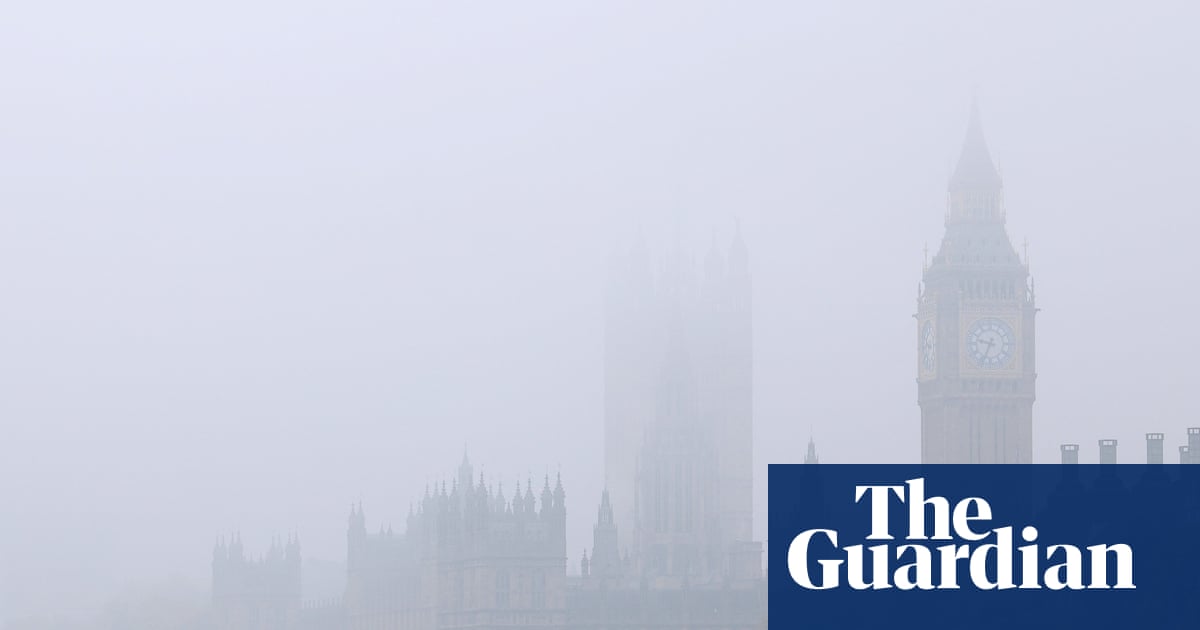
Fog shrouding swathes of UK likely to disrupt transport early this week
Preview image from theguardian.com
Found through Google Trends and drafted with AI from at least two cited sources. Published automatically after passing our automated checks for sources, wording and safety. It may not have been reviewed by a person yet. Report a correction.