


Why is the PSI trending in Singapore today?
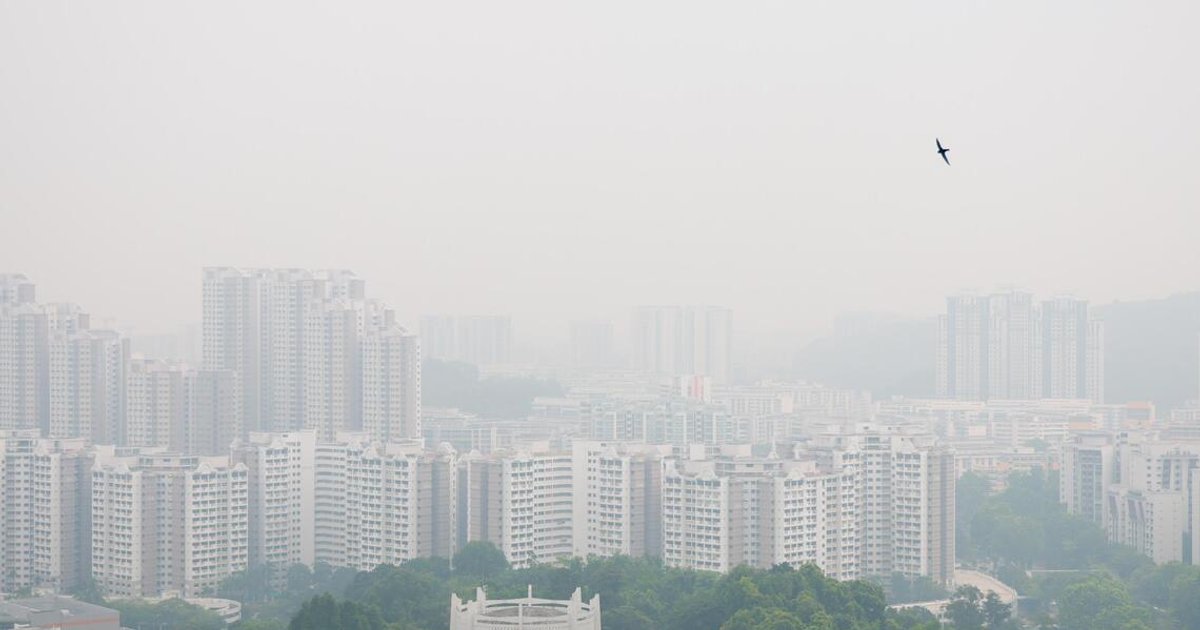
The PSI is trending because Singapore is experiencing its longest stretch of unhealthy air since September [1]. Current readings remain in the unhealthy range, with some areas reaching as high as 144 [2].
What happened
- 5 Oct
PSI readings begin recording above 101 [1].
- 9 Oct
Authorities warn that air quality could reach very unhealthy levels [1].
- 14 Oct, 09:00 UTC
PSI remains unhealthy, ranging from 106 in the north to 144 in the west [2].
What you need to know
PSI readings over 100 are considered unhealthy [1].
Standard home air-conditioners cool rooms but generally cannot filter out tiny haze particles [1].
HEPA filter air purifiers are recommended for improving indoor air quality [1].
Indoor plants are largely ineffective at removing fine particulate matter [1].
It is not confirmed if the forecast thundery showers will successfully lower the PSI levels [2].
Background
The Pollutant Standards Index (PSI) is Singapore's official air quality reporting system. It calculates levels based on six pollutants, including ozone, carbon monoxide, and particulate matter [1].
The current haze is driven by smoke drifting from Kalimantan and southern Sumatra, aided by prevailing winds and dry weather in those regions [2].
The primary concern during these periods is PM2.5, which are tiny particles that can enter the bloodstream and lodge deep in the lungs [1].
Questions people ask
Can air-conditioning remove haze?
No, standard filters catch large dust but not tiny haze particles, though closing windows helps keep haze out [1].
What is the difference between PSI and PM2.5?
PSI is a 24-hour average of six different pollutants, while PM2.5 specifically measures tiny particulate matter [1].
Where this came from

Found through Google Trends and drafted with AI from at least two cited sources. Published automatically after passing our automated checks for sources, wording and safety. It may not have been reviewed by a person yet. Report a correction.