


Why is the haze trending in Singapore?
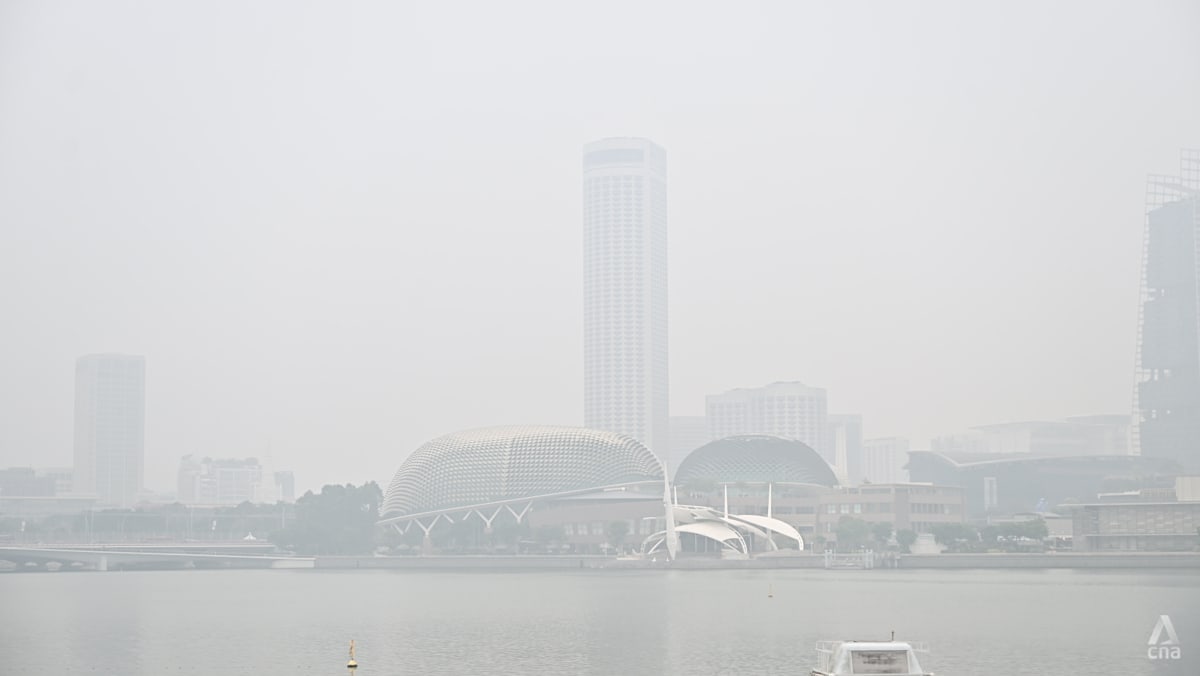
Singapore is experiencing a surge in PM2.5 readings, leading to the closure of outdoor sports facilities and the suspension of activities. The haze is linked to forest and land fires in Indonesia during a period of dry weather.
What happened
- 10 Oct
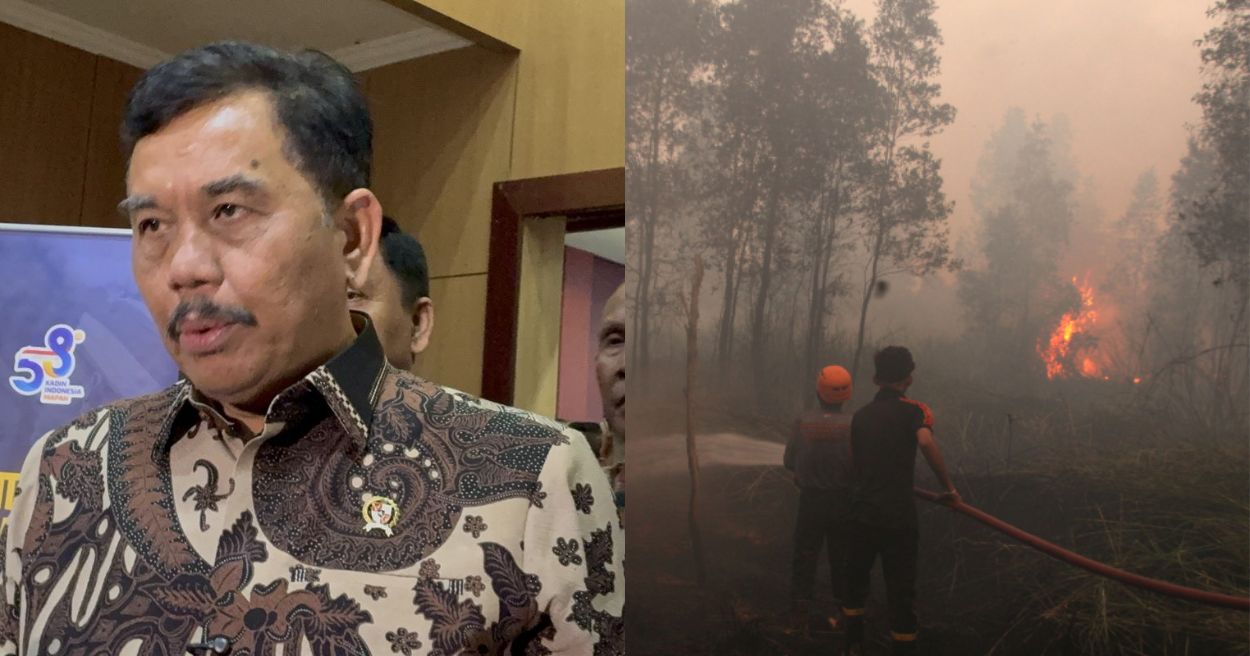
An Indonesian official describes the forest fires as a natural phenomenon beyond human error [2].
- 14 Oct, 03:00 UTC
NEA predicts that air quality in Singapore will remain unhealthy [1].
- 14 Oct, 15:00 UTC
PM2.5 readings in western Singapore hit 288, entering the very high band [1].
What you need to know
People should limit outdoor activities for one hour when PM2.5 readings hit 251 or more [1].
Vulnerable groups, including children and seniors, are advised to avoid outdoors during very high PM2.5 periods [1].
Outdoor and non-air-conditioned ActiveSG facilities in the west are temporarily closed [1].
N95 masks will be given to vulnerable people if the 24-hour PSI goes over 200 [1].
It is not confirmed how long the dry conditions will persist or when air quality will return to healthy levels.
Background
The current haze is caused by hotspots in Sumatra and Kalimantan. While some areas have rain, prolonged dry weather in fire-prone regions continues to risk severe transboundary haze [1].
Indonesia's government has acknowledged concerns from Singapore and Malaysia. They have stated that while they are working to address the fires, the situation is a natural occurrence [2].
Singapore's National Environment Agency has tracked hourly PM2.5 readings since 2014 to monitor air quality during these episodes [1].
Questions people ask
Which areas in Singapore are most affected?
The west has seen the highest surge, reaching 288, while other regions like the central, east, and south are in the high range [1].
How is Indonesia responding to the situation?
Indonesian officials have expressed appreciation for help from neighbors, noting that ground personnel are more useful than aircraft due to low visibility [2].
Where this came from
[1] channelnewsasia.com
Singapore haze: Hourly PM2.5 reading surges to 288 in the west, enters very high band
Preview image from channelnewsasia.com
 [2] mothership.sg
Indonesian govt official says forest fires 'beyond human error' & their forests 'send oxygen' if there's no haze
Preview image from mothership.sg
[2] mothership.sg
Indonesian govt official says forest fires 'beyond human error' & their forests 'send oxygen' if there's no haze
Preview image from mothership.sg
Found through Google Trends and drafted with AI from at least two cited sources. Published automatically after passing our automated checks for sources, wording and safety. It may not have been reviewed by a person yet. Report a correction.