


Irish Public Sector Pay Talks and Threatened Strike Explained
Public sector pay negotiations are trending as Irish government leaders and trade unions attempt to negotiate a deal to avert nationwide strike action planned for Thursday. Government officials recently put forward an enhanced pay offer estimated at over €5 billion, but union leaders maintain that strike preparations, including school closures and medical appointment cancellations, must go ahead until a formal agreement is finalized.
What happened
- Sunday
The Irish government presents an updated pay package offering cumulative raises of 10.5% to 11% for public sector workers [1].
- Monday noon
Formal negotiations between government representatives and union leaders commence to discuss the revised proposal [2].
- Monday evening
Unions instruct members that preparations for Thursday strikes and rallies must proceed until a binding agreement is confirmed [1], [2].
What you need to know
The government's proposed offer features cumulative pay raises of 10.5% to 11%, with lower-paid workers potentially receiving up to 17.8% [1].
A nationwide strike planned for Thursday would lead to school closures and the cancellation of thousands of medical appointments [2].
Unions representing tens of thousands of staff are coordinating rallies across eight national locations, including Dublin, Cork, and Galway [2].
Essential service exemptions, particularly within healthcare, are being established by unions like Siptu in case the strike proceeds [2].
It remains unconfirmed whether trade unions will accept the government's current offer before Thursday or if further pay adjustments will be necessary to prevent widespread industrial action.
Background
The ongoing dispute centers on establishing a new pay agreement for public sector workers across Ireland. Trade unions previously secured a strong mandate for industrial action over concerns regarding inflation and compensation, leading to work-to-rule measures and plans for full-day strikes [1], [2].
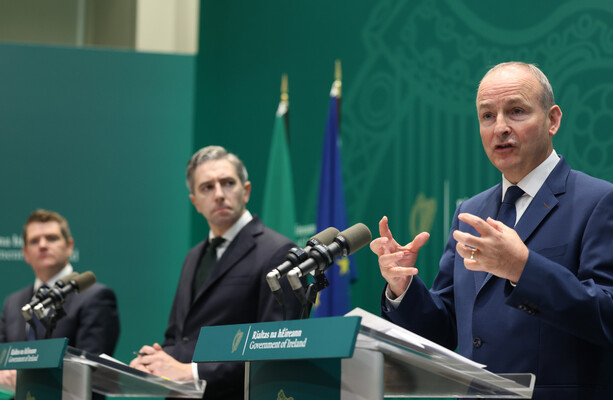
Government ministers, including Taoiseach Micheál Martin and Tánaiste Simon Harris, have urged union leaders to settle, stating that the latest offer represents the upper limit of sustainable public spending. The proposed deal is projected to cost more than €5 billion and coincides with Ireland hosting international leaders for an EU presidency summit on Thursday [1], [2].
Questions people ask
What pay increase has the Irish government offered?
The proposal offers overall raises of 10.5% to 11% for most public servants, with lower-paid employees receiving increases up to 17.8% alongside additional back payments in 2026 [1].
How would the proposed Thursday strike impact public services?
If talks fail, the strike is expected to close schools and disrupt healthcare services by cancelling thousands of hospital appointments [2].
What steps must happen before a strike can be called off?
Negotiators must first reach an initial agreement under the government-appointed group, after which the parties would return to the Workplace Relations Commission to formalize a deal [1].
Where this came from

Found through Google Trends and drafted with AI from at least two cited sources. Published automatically after passing our automated checks for sources, wording and safety. It may not have been reviewed by a person yet. Report a correction.