


Why is Iran’s $30B currency move trending in NZ?
Iran’s central bank announced it supplied nearly $30 billion in foreign currency for essential imports—like medicine and raw materials—over seven months. The move is trending in New Zealand as it highlights Iran’s economic efforts amid global sanctions and regional tensions. The timing also coincides with broader discussions on Iran’s economic resilience and geopolitical strategies.
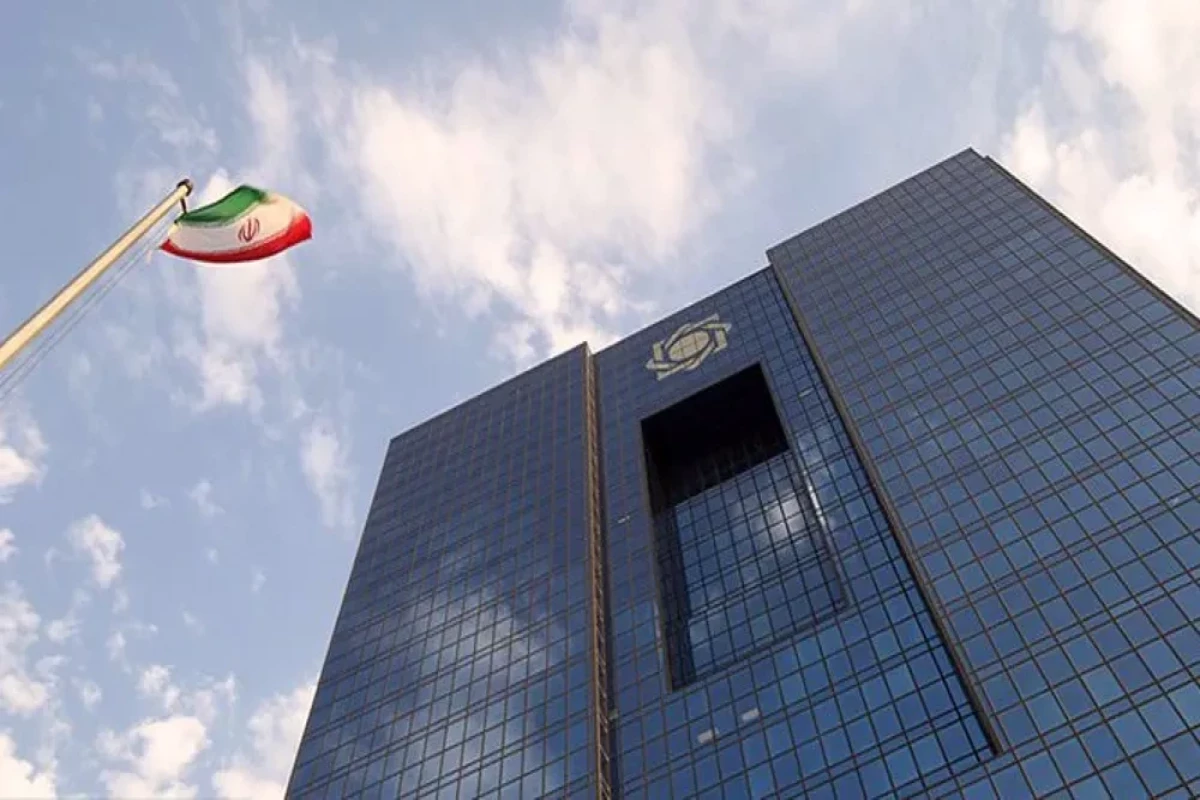
What happened
- Earlier
Iran’s central bank governor confirms $30 billion in foreign currency allocated for imports since late March 2026, despite economic constraints [2]
What you need to know
Iran’s central bank prioritized essential goods (medicine, raw materials) over non-essentials to avoid shortages [2].
The funds were allocated despite limited foreign currency revenues from oil and non-oil exports [2].
Iran claims its economic stability measures have prevented hyperinflation or production halts [2].
The announcement follows recent regional tensions, including US-Iran diplomatic shifts and sanctions [1]
It is unclear how New Zealand’s searches directly relate to Iran’s policy—no local NZ-specific context is provided in the sources. The trending may reflect broader global interest in Iran’s economic strategies.
Background
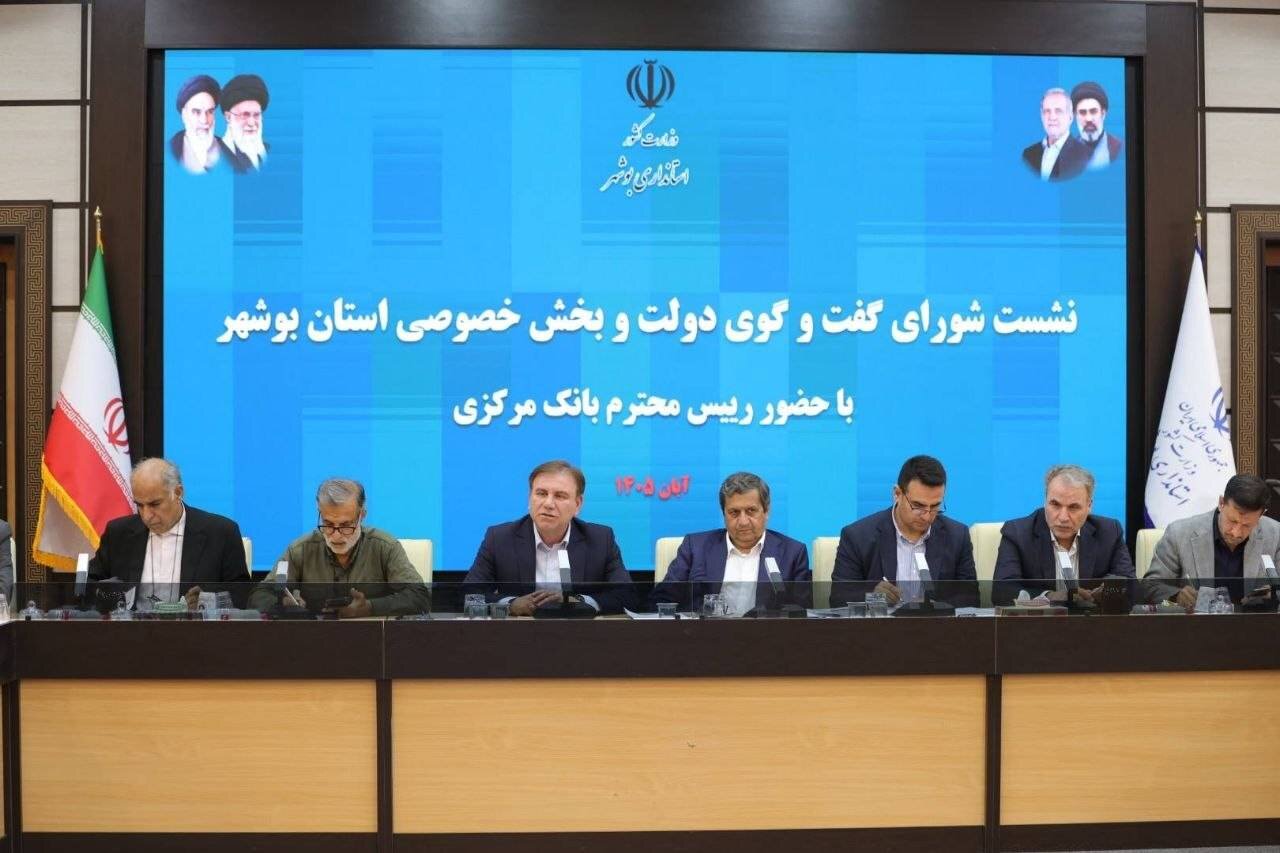
Iran’s Central Bank of Iran (CBI) has been managing foreign currency reserves under strict conditions due to international sanctions. Governor Abdolnaser Hemmati emphasized careful allocation of funds to avoid economic collapse, a goal Iran claims has been achieved despite external pressures [2].
The $30 billion figure covers imports from late March 2026 to early October, showing sustained efforts to stabilize supply chains for critical sectors like healthcare and industry. Hemmati noted that over 75% of recent bank credit went to businesses, particularly for working capital [2].
Iran has framed its economic resilience as a counter to perceived US-led efforts to disrupt its exports and production. The central bank’s focus on inflation control and liquidity management reflects broader concerns about household purchasing power amid global volatility [2].
Questions people ask
Why is Iran releasing this information now?
The announcement coincides with Iran’s ongoing economic dialogue with regional partners and recent diplomatic shifts. Governor Hemmati likely aims to reassure domestic stakeholders about stability while signaling resilience to global observers [2]
How does this affect Iran’s economy?
Iran claims its measures have prevented shortages of essential goods and halted hyperinflation, but sustained pressure from sanctions and export limits remains a challenge. The central bank’s focus on selective credit allocation balances business support with inflation control [2]
Is this related to New Zealand’s economy?
No direct link is provided in the sources. The trending in NZ may reflect curiosity about Iran’s economic strategies or global financial trends, not a local impact [1, 2]
Where this came from
Found through Google Trends and drafted with AI from at least two cited sources. Published automatically after passing our automated checks for sources, wording and safety. It may not have been reviewed by a person yet. Report a correction.