


Greenpeace links Singapore firms to Indonesia fires
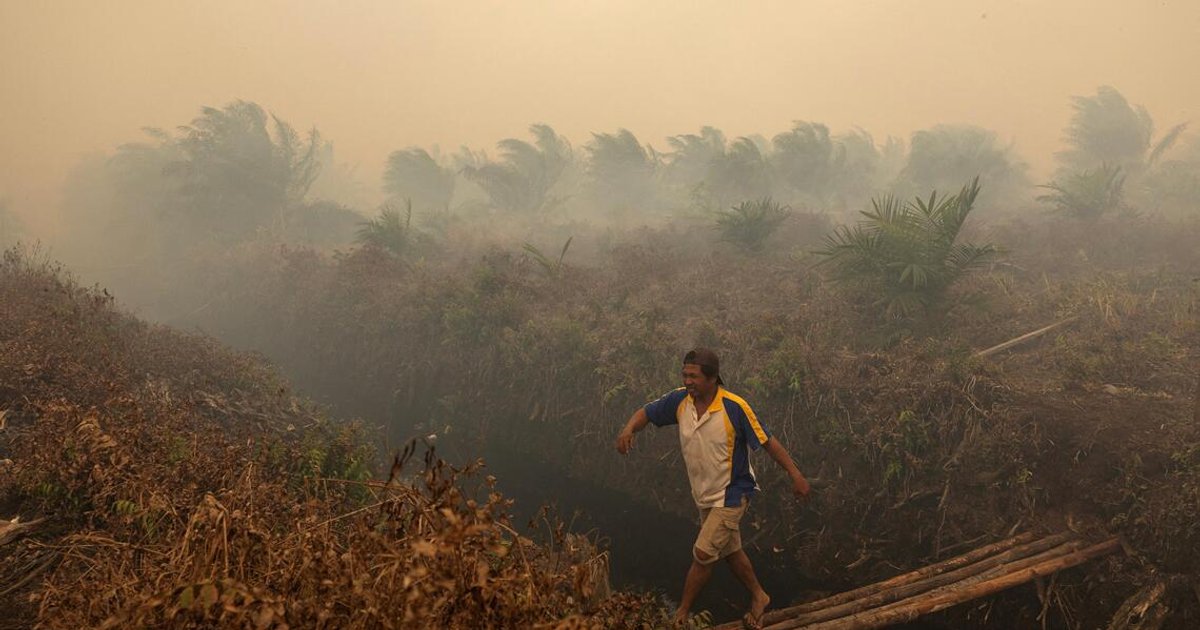
Greenpeace is trending after releasing a report linking over 20 agricultural firms to smoke sources in Indonesia. Two Singapore-listed palm oil companies, First Resources and Bumitama Agri, were specifically named in the investigation.
What happened
- Aug 1 - Oct 1
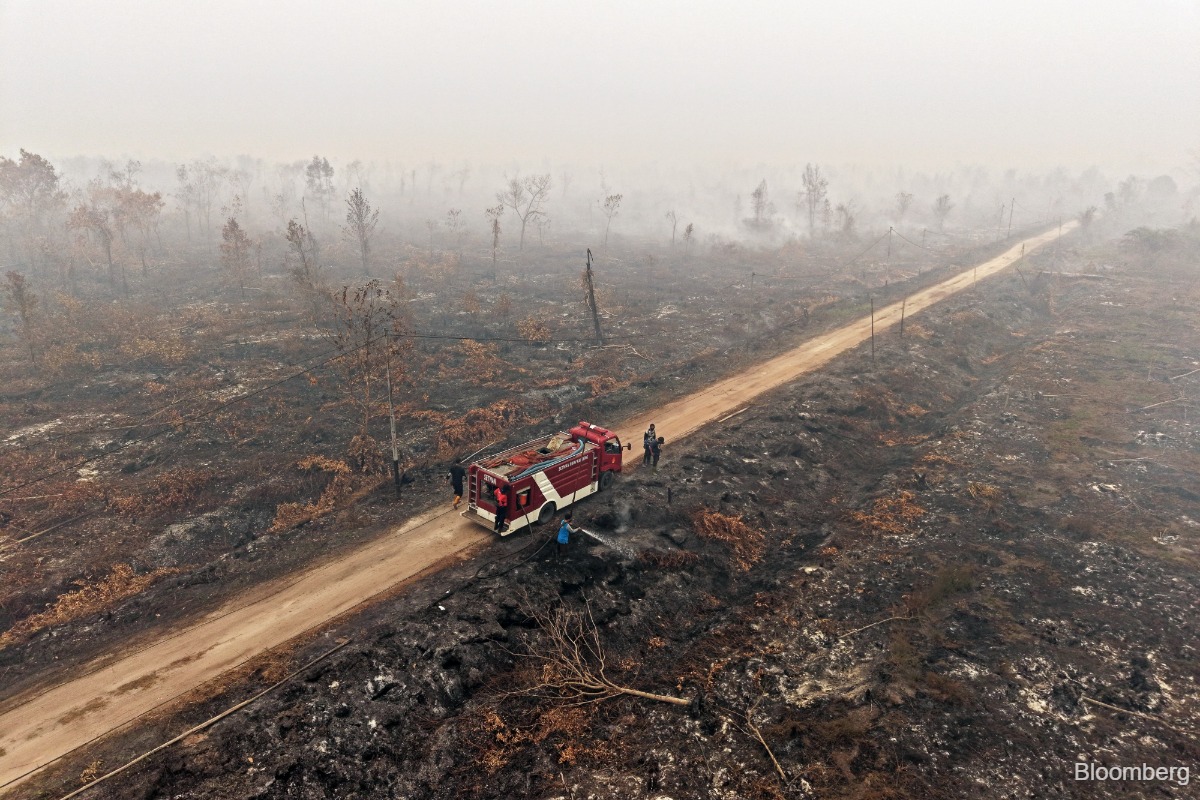
Greenpeace and Pantau Gambut detect 6,811 smoke-source points across several Indonesian regions [2].
- Oct 5
Greenpeace releases a report naming companies linked to plantation areas where smoke and fires were found [1].
- Oct 6
Greenpeace holds a press briefing in Kuala Lumpur to discuss the findings [2].
- Oct 15
First Resources tells The Straits Times that satellite data alone does not prove a company caused a fire [1].
What you need to know
The report identifies more than 20 companies involved in palm, sugar, and pulp industries [2].
Fires are being driven by slash-and-burn farming and a strong El Niño causing drought [2].
Singapore and Kuala Lumpur recently ranked among the world's most-polluted cities due to the resulting smog [2].
Greenpeace is calling for Indonesia to cancel permits for concessions tied to peatland destruction [2].
It is not yet confirmed if the named companies deliberately started the fires or if the blazes spread from outside their boundaries [1].
Background
A concession is a specific area of land that a company is permitted to develop and manage [1].
First Resources acquired a majority stake in the Indonesian producer Austindo Nusantara Jaya in 2025 [1].
The region is currently experiencing one of its worst fire seasons in years, with relief not expected until rains arrive in late October [2].
Questions people ask
Which Singapore companies were named?
The report names Singapore-listed firms Bumitama Agri and First Resources, as well as the privately held First Borneo Plantations [1].
How does First Resources respond to the claims?
The company argues that hot spots near their land do not prove they started the fires and that some blazes began outside their boundaries [1].
Where this came from
Found through Google Trends and drafted with AI from at least two cited sources. Published automatically after passing our automated checks for sources, wording and safety. It may not have been reviewed by a person yet. Report a correction.