


Why are air purifier searches increasing in Singapore?
Singapore is facing its longest period of unhealthy air quality since September, with PSI levels exceeding 101 since Oct 5 [1]. This has caused a spike in demand for air purifiers, with some retailers reporting sales increases of over 76% [3].
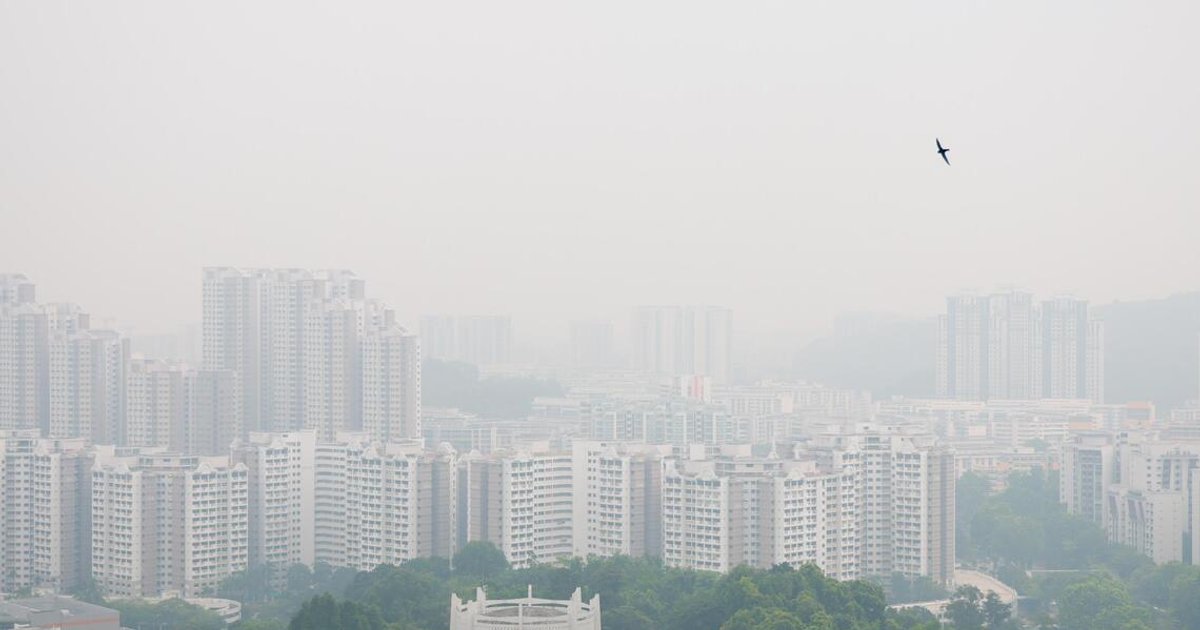
What happened
- 5 Oct
Singapore begins recording PSI readings above 101 [1].
- 9 Oct
Authorities warn that air quality could reach very unhealthy levels [1].
- Sep 2026
Gain City reports a 76% increase in air purifier sales compared to August [3].
What you need to know
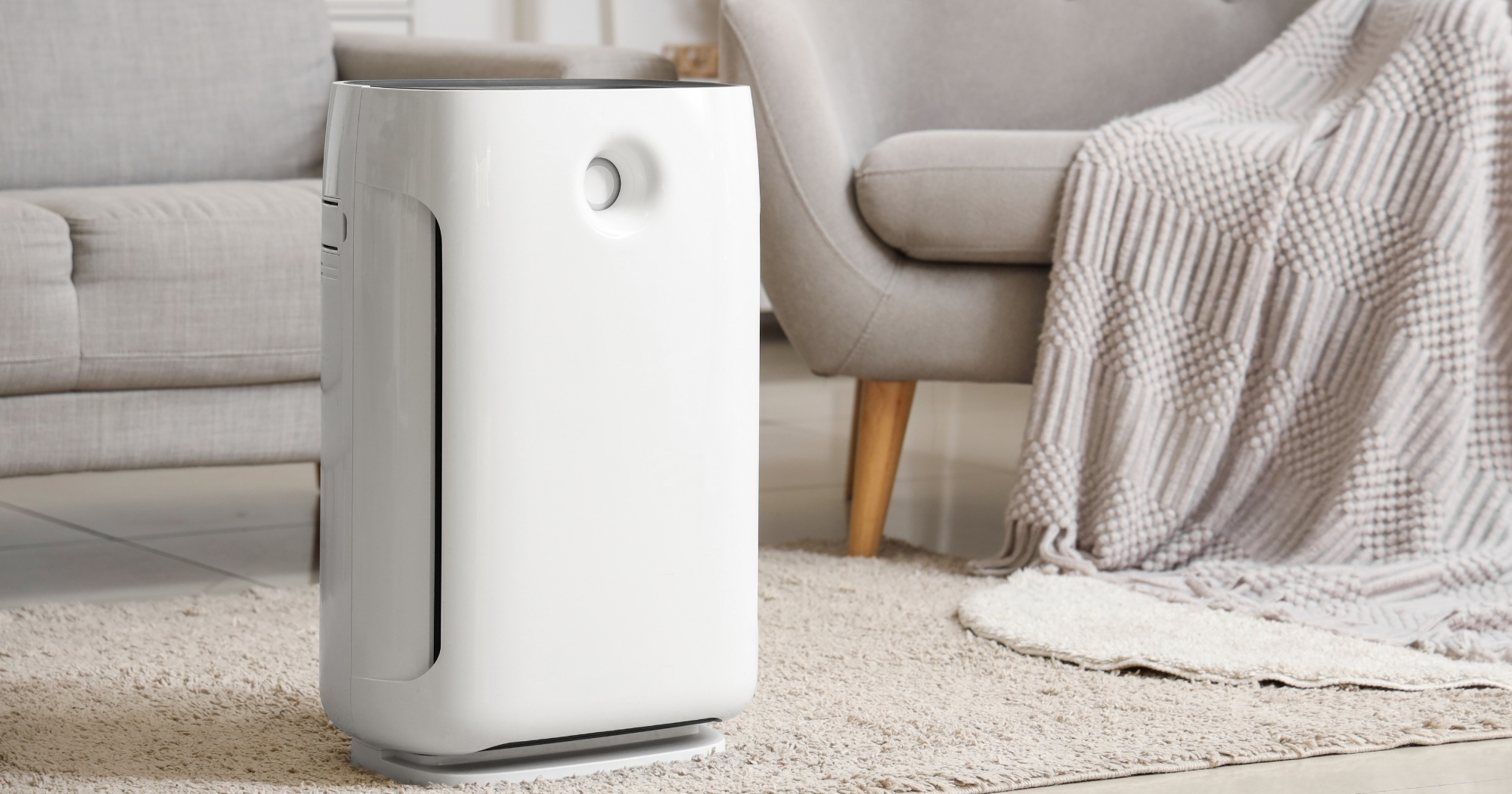
HEPA filters are designed to capture tiny haze particles like PM2.5 [1].
Standard home air-conditioners generally cannot filter out fine particulate matter [1].
Buyers should check the Clean Air Delivery Rate (CADR) and recommended room size [2, 3].
Indoor plants are generally ineffective at removing fine haze particles [1].
It is not confirmed how long the current stretch of unhealthy air quality will last.
Background
The current air quality issues are driven by transboundary haze, specifically PM2.5 particles. These particles are 30 times smaller than a human hair and can enter the bloodstream or lodge in the lungs [1].
Singapore uses the Pollutant Standards Index (PSI) to report air quality. This index is based on six pollutants, including ozone, carbon monoxide, and particulate matter [1].
Questions people ask
Can my air-con filter the haze?
Most home air-con filters only catch large dust and are not efficient at removing fine particles, though closing windows while using them helps keep haze out [1].
Do indoor plants help with haze?
While they can absorb some gaseous pollutants, they lack the surface area to meaningfully filter fine particulate matter [1].
Where this came from
[1] straitstimes.com
Can the air-con remove PM2.5 particles? Will indoor plants and surgical masks help?
Preview image from straitstimes.com
 [2] asiaone.com
10 air purifiers to help you breathe easier during Singapore’s haze season
Preview image from asiaone.com
[2] asiaone.com
10 air purifiers to help you breathe easier during Singapore’s haze season
Preview image from asiaone.com
 [3] mothership.sg
Gain City S'pore says air purifier sales up by 76% in Sep. 2026 due to haze
Preview image from mothership.sg
[3] mothership.sg
Gain City S'pore says air purifier sales up by 76% in Sep. 2026 due to haze
Preview image from mothership.sg
Found through Google Trends and drafted with AI from at least two cited sources. Published automatically after passing our automated checks for sources, wording and safety. It may not have been reviewed by a person yet. Report a correction.