


Why is Singapore’s PSI reading trending today?
The 24‑hour PSI across Singapore moved into the unhealthy band on Wednesday noon and stayed there into Thursday, driven by moderate transboundary smoke haze from fires in Indonesia and Malaysia. Peak PSI reached 160 in the west, prompting health advisories for reduced outdoor activity.
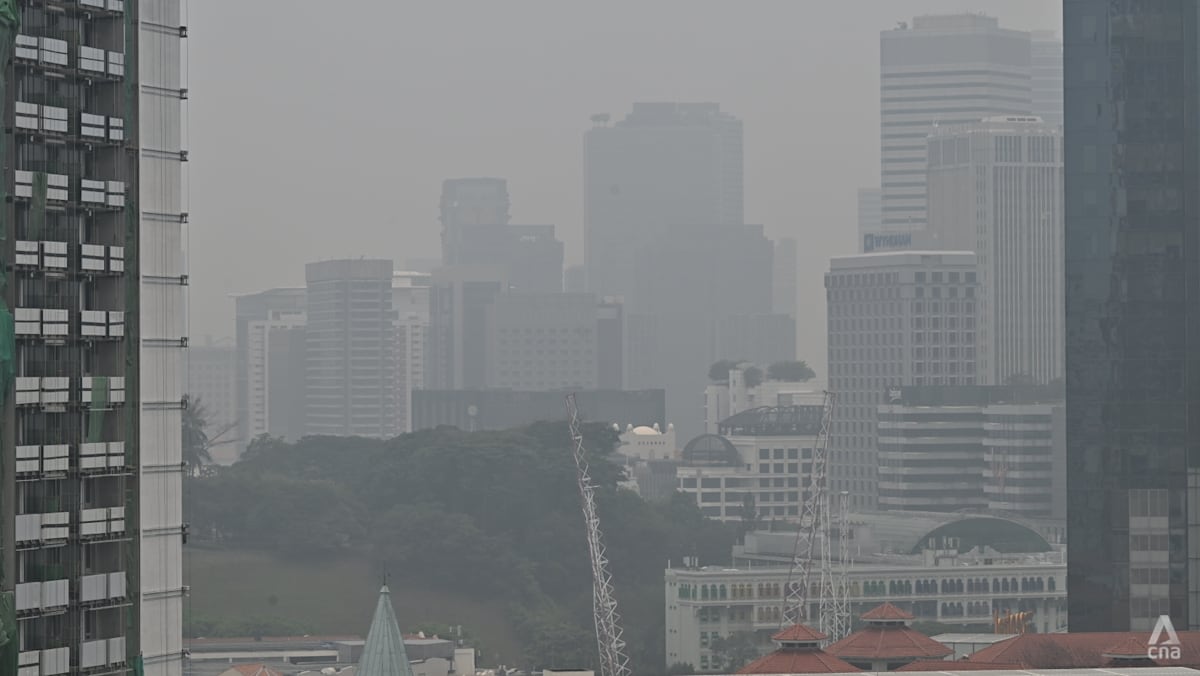
What happened
- Earlier
24‑hour PSI entered the unhealthy range across Singapore at noon on Wednesday and remained overnight into Thursday morning [1]
- 8 Oct, 10:00 UTC
West region PSI peaked at 160, central at 154, east at 118, south at 108, north at 109 [1]
- 8 Oct, 13:00 UTC
1‑hour PM2.5 levels rose into the elevated band in east and south, and hit a high of 152 in the west at 16:00 on Wednesday [1]
What you need to know
Unhealthy PSI (101‑200) triggers health advisories to limit strenuous outdoor activity.
PM2.5 is the main pollutant during haze; 1‑hour readings above 56 are considered elevated.
The haze originates from transboundary smoke from wildfires in Kalimantan and Sumatra.
Dry conditions in southern ASEAN keep the risk of haze high, while wet weather elsewhere may limit it.
Exact future PSI levels depend on how quickly rain clears the smoke and whether new fire hotspots develop, which cannot be predicted from current reports.
Background
Singapore's 24‑hour PSI combines six pollutants, including PM2.5, to give a daily air‑quality index. Readings between 101‑200 are labeled "unhealthy" and prompt public health guidance.
The current haze is linked to moderate transboundary smoke from Indonesian and Malaysian fires, with hotspots detected in Kalimantan and Sumatra. Thick smoke and cloud cover limit precise assessment of the haze extent.
Dry weather across much of southern ASEAN sustains the fire risk, while wetter conditions in northern regions help keep haze lower there.
Questions people ask
What does an unhealthy PSI mean for daily life?
It means the air quality may affect health, especially for the elderly, children, pregnant women and those with heart or lung conditions; they should avoid strenuous outdoor activities.
Why is the PSI higher in the west than other regions?
The western part of Singapore is closer to the direction of the prevailing smoke plume from the fires, leading to higher pollutant concentrations.
Will the haze improve soon?
NEA notes that rain in some areas may reduce smoke locally, but continued dry weather elsewhere could keep haze levels elevated.
Where this came from

Found through Google Trends, drafted with AI assistance from at least two cited sources, then checked and approved by Shahriar before publishing.