


Why is San Francisco’s unusual weather trending?
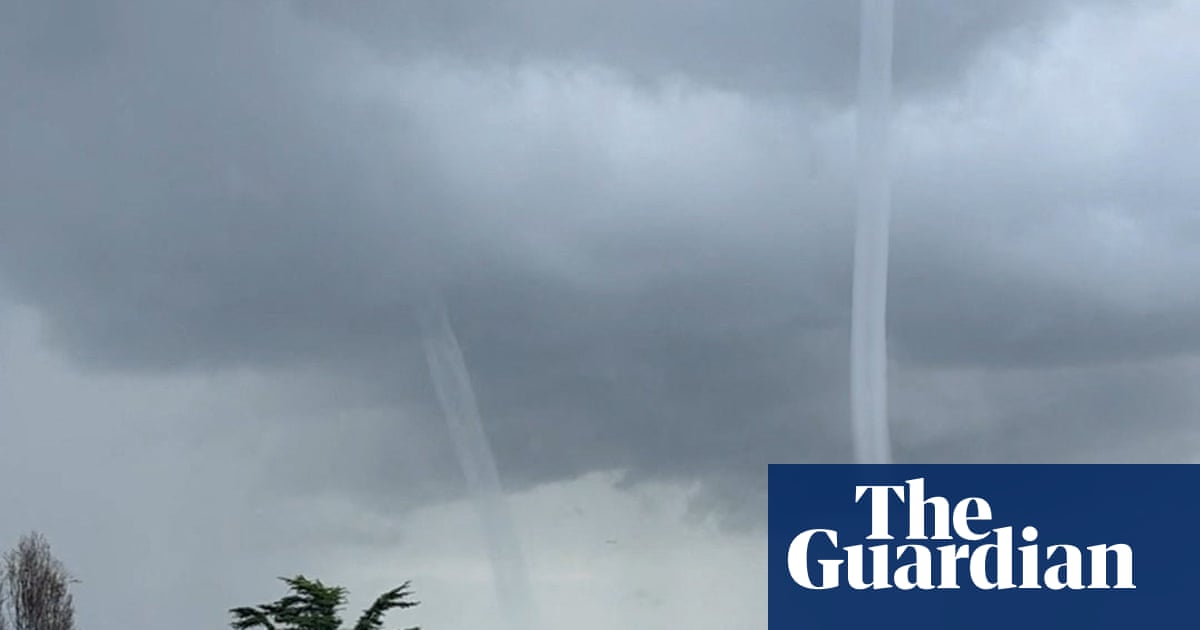
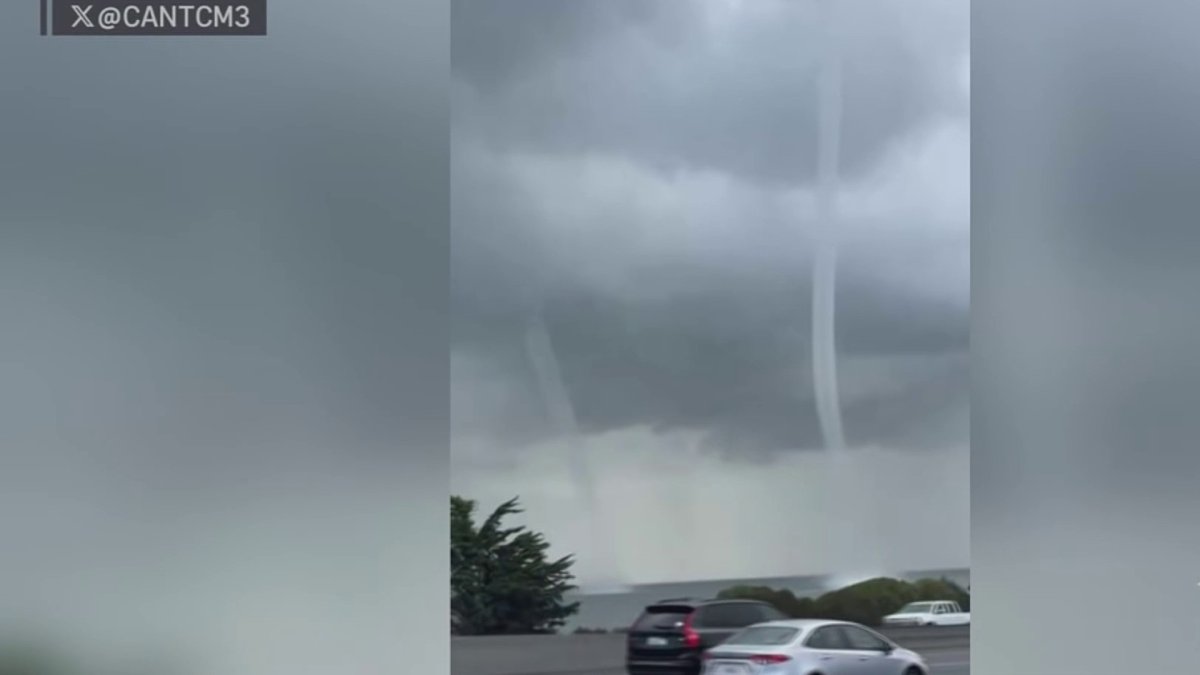
San Francisco’s weather is trending due to a rare double waterspout sighting over the bay and severe storm warnings, including tornado risks and heavy rain. The unusual weather aligns with a stronger-than-usual El Niño pattern, bringing prolonged wet conditions and flooding risks to California.
What happened
- Earlier
A pair of waterspouts—vortexes of air and water—spiraled above San Francisco Bay, captured on social media and confirmed by the National Weather Service. The phenomenon is uncommon in the Bay Area but typical near Florida’s coast or the Great Lakes [1].
- 17 Nov, 2026
The National Weather Service issued a tornado warning for a severe thunderstorm near Santa Cruz, prompting schools to shelter students indoors. Heavy rain, hail, and high winds affected parts of the East Bay, including Richmond [2].
- 18 Nov, 08:30 UTC
Forecasters predict continued rain, thunderstorms, and coastal flooding through Thursday, with wind gusts up to 70 mph in the East Bay Hills. The Sierra Nevadas may receive up to 4 feet of snow, disrupting mountain travel [1].
What you need to know
Waterspouts are rare in the Bay Area but can form over water during storms. Most are harmless, but stronger ones can pose risks to boaters or coastal areas [1].
The storm is linked to a Super El Niño, which typically brings wetter winters to California, increasing flood and rain risks [1].
Residents are advised to check road conditions and prepare emergency supplies, including medications and flashlights, due to prolonged severe weather [2].
No injuries or major property damage have been reported from the waterspouts or related weather events so far [1, 2].
It is not confirmed whether the waterspouts were 'fair weather' (weak) or 'tornadic' (stronger), though the National Weather Service did issue warnings for severe thunderstorms in the region [1, 2].
Background
San Francisco’s weather is trending due to an unusually intense storm system driven by a Super El Niño. This climate pattern amplifies rainfall and storm activity across California, leading to flooding, high winds, and coastal hazards. The Bay Area rarely experiences waterspouts, making their recent appearance notable [1].
The National Weather Service has issued multiple alerts, including a high wind advisory, coastal flood advisory, and tornado warning, highlighting the severity of the storm. Schools and residents have taken precautions, such as sheltering students and preparing emergency kits, as the weather disrupts daily life [2].
While waterspouts are common near Florida’s coast or the Great Lakes, they are uncommon in the Bay Area. The recent sightings may be tied to the storm’s intensity, which created conditions favorable for their formation. The prolonged wet weather is expected to continue, with additional rain and snowfall forecasted [1].
Questions people ask
Are waterspouts dangerous in San Francisco?
Most waterspouts are harmless, but stronger ones can pose risks to boats or coastal areas if they move ashore. The National Weather Service confirmed the recent waterspouts were observed but did not report any immediate hazards [1].
How long will the storm last?
The current storm is expected to continue through at least Thursday, with rain, thunderstorms, and coastal flooding. Conditions may improve slightly after Thursday evening, though some lingering rain is possible [1].
What should residents do during the storm?
Authorities recommend checking road conditions before traveling, preparing emergency supplies (medications, flashlights, important documents), and staying indoors if severe weather warnings are issued [2].
Where this came from
Found through Google Trends and drafted with AI from at least two cited sources. Published automatically after passing our automated checks for sources, wording and safety. It may not have been reviewed by a person yet. Report a correction.