


What is the October Hunter’s Moon?
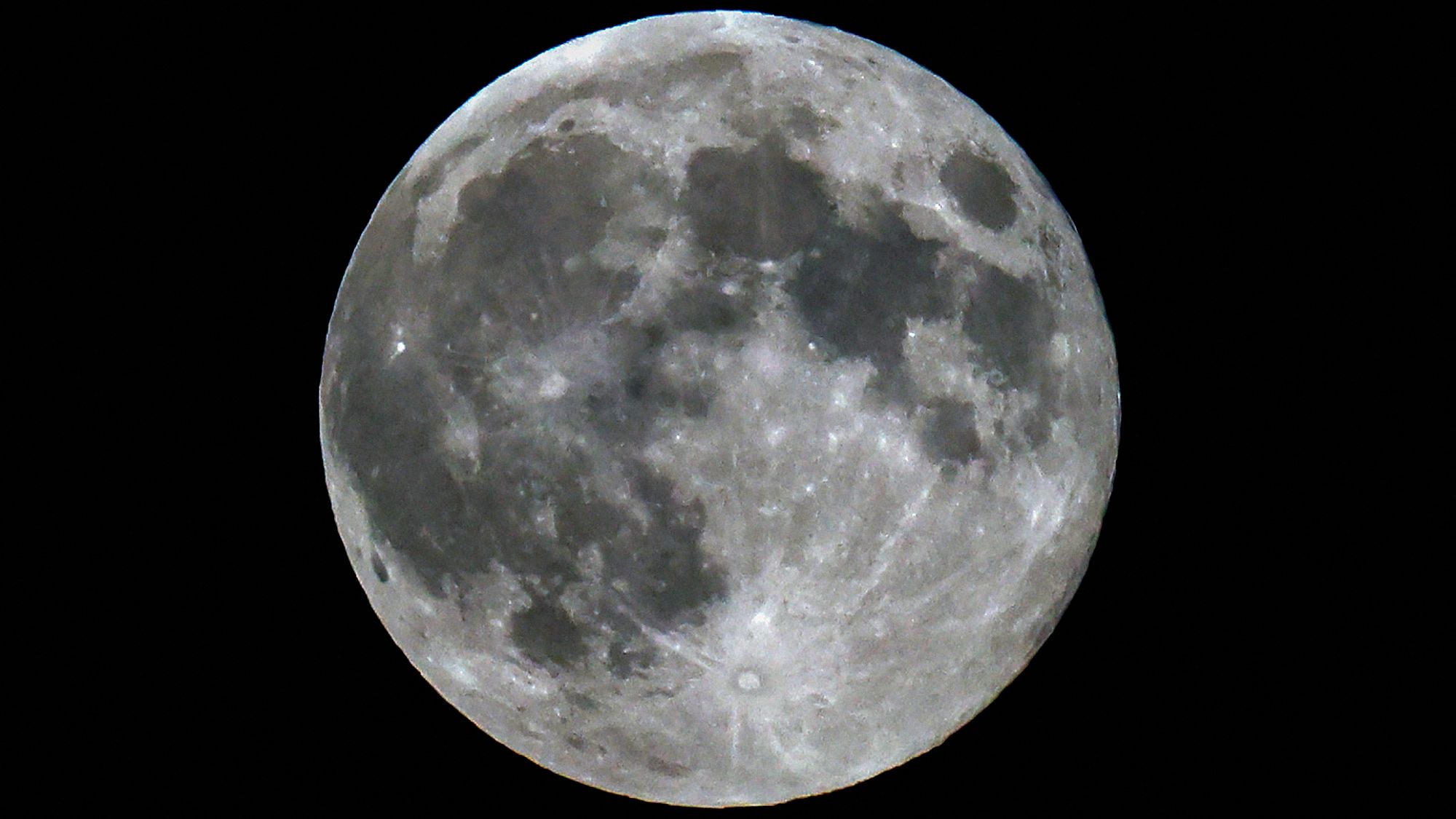
The Hunter's Moon is trending because it reached 100% illumination in the early hours of October 26. Observers may see it appear orange-reddish near the horizon or look unusually large due to a psychological trick called the 'Moon Effect.'

What happened
- 25 Oct, Sunset
U.S. stargazers get their first view of the moon rising in the east [2].
- 26 Oct, 00:11 - 00:12 UTC
The moon reaches peak illumination [1], [2].
What you need to know
The moon will still look full through Tuesday as it begins its waning gibbous phase [1].
The orange glow seen at moonrise happens because Earth's atmosphere scatters blue light wavelengths [2].
The 'Moon Effect' makes the lunar disk seem larger when it is close to the ground [2].
The Orionid meteor shower is also active, potentially offering additional views [1].
Exact viewing quality depends on local weather conditions, though clear skies were forecast for New England [1].
Background
The name Hunter's Moon comes from the tradition of hunting game to prepare for winter after the September Harvest Moon [1], [2].
Indigenous North American groups have different names for this event, including the Freezing Moon, Migrating Moon, Drying Rice Moon, and Falling Leaves Moon [1], [2].
This event is distinct from a supermoon, which occurs when the moon is at its closest approach to Earth [1].
Questions people ask
Why is it called the Hunter's Moon?
It provided extra light after sunset for hunters to track game in fields cleared of crops [1].
Is this a supermoon?
No, but two supermoons are expected later in 2026 on November 24 and December 23 [1].
Where this came from
Found through Google Trends and drafted with AI from at least two cited sources. Published automatically after passing our automated checks for sources, wording and safety. It may not have been reviewed by a person yet. Report a correction.