


OCBC to allow Malaysian ringgit in Singapore savings accounts
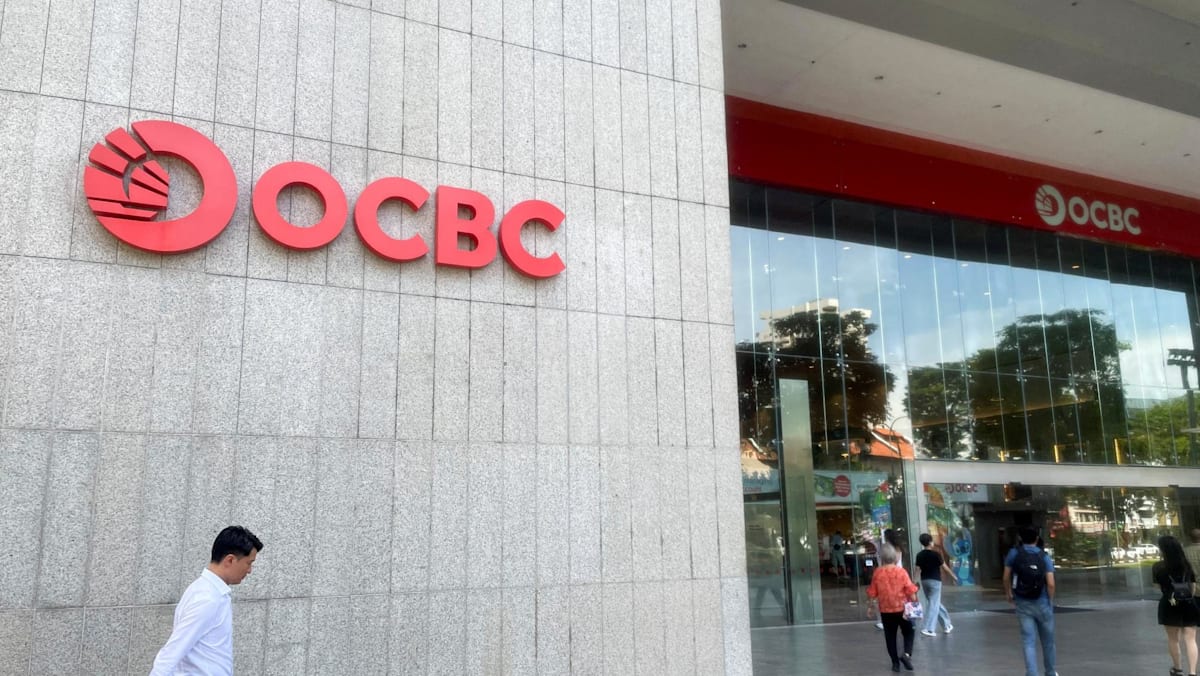
OCBC is trending because it will become the first non-Malaysian bank to let customers keep ringgit in Singapore savings accounts. This allows users to lock in exchange rates and earn interest on their balances.
What happened
- 21 Oct 2026
OCBC announces the new ringgit holding feature [1], [2].
- 23 Oct 2026
The service officially launches for eligible account holders [1], [3].
What you need to know
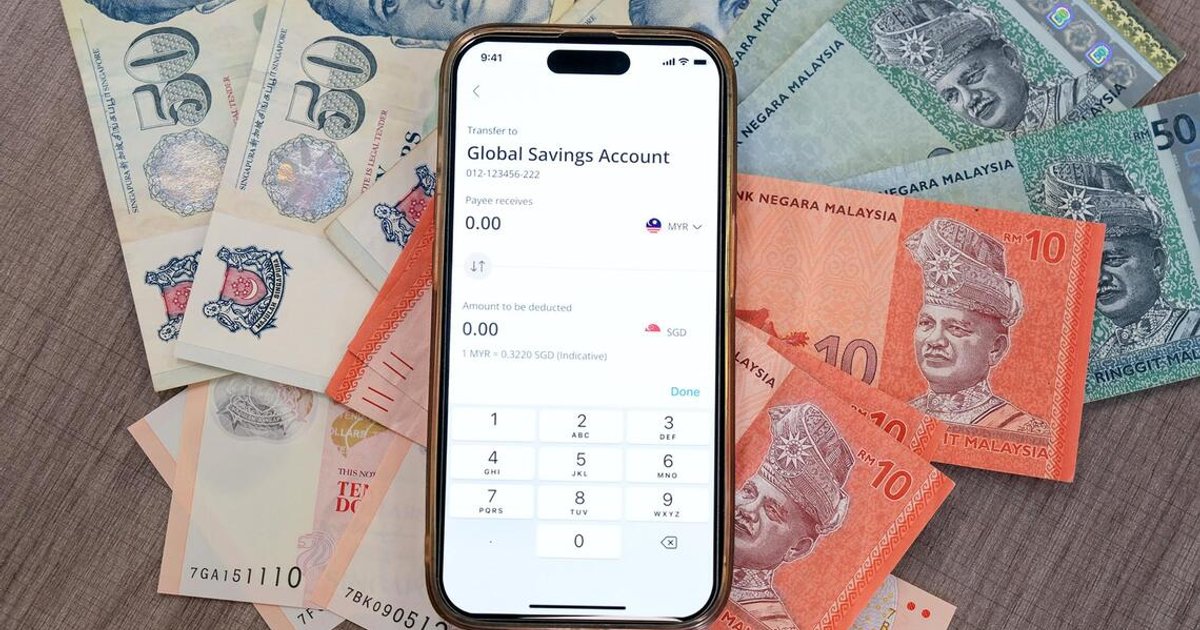
Users can hold a maximum of RM50,000 in these accounts [1], [2].
Interest is 1% per year until June 30, 2027, then drops to 0.5% [2], [3].
Linked debit cards allow spending in Malaysia without foreign transaction fees [2], [3].
Ringgit can be withdrawn from OCBC ATMs in Malaysia without extra charges [1], [2].
It is not specified which specific 'competitive' exchange rates will be applied during conversion [1].
Background
The Malaysian ringgit is a tightly controlled currency, making it difficult for people to hold it in bank accounts outside of Malaysia [1], [2]. While some fintech apps allow this, traditional non-Malaysian banks have not offered it [1].
OCBC noted a rise in cross-border spending, with Malaysia being the top overseas destination for its clients [2]. The bank expects the new Johor Bahru-Singapore Rapid Transit System Link to further increase travel and spending [1], [3].
Questions people ask
Who can use this service?
Customers with an OCBC Global Savings Account or Premier Global Savings Account [1], [2].
Is there a minimum balance required?
No minimum balance is needed to hold ringgit [1], [3].
Where this came from
[1] channelnewsasia.com
OCBC to become first non-Malaysian bank to allow Singapore saving accounts to hold ringgit from Oct 23
Preview image from channelnewsasia.com
 [2] straitstimes.com
OCBC customers can hold Malaysian ringgit in Singapore savings accounts from Oct 23
Preview image from straitstimes.com
 [3] businesstimes.com.sg
OCBC to add ringgit to Singapore-based savings accounts from Oct 23
Preview image from businesstimes.com.sg
Found through Google Trends and drafted with AI from at least two cited sources. Published automatically after passing our automated checks for sources, wording and safety. It may not have been reviewed by a person yet. Report a correction.