


Why Heavy Thunderstorms Hit New Zealand on Election Day
Severe thunderstorm warnings were issued across parts of New Zealand on election day as localized downpours, large hailstones, and widespread lightning hit several regions. The unstable weather disrupted local sporting events, caused localized property damage, and forced voters to dodge sudden downpours on their way to cast ballots.

What happened
- Earlier
MetService recorded nearly 2,000 lightning strikes and heavy downpours overnight across the upper North Island [2].
- Saturday 14:07 local
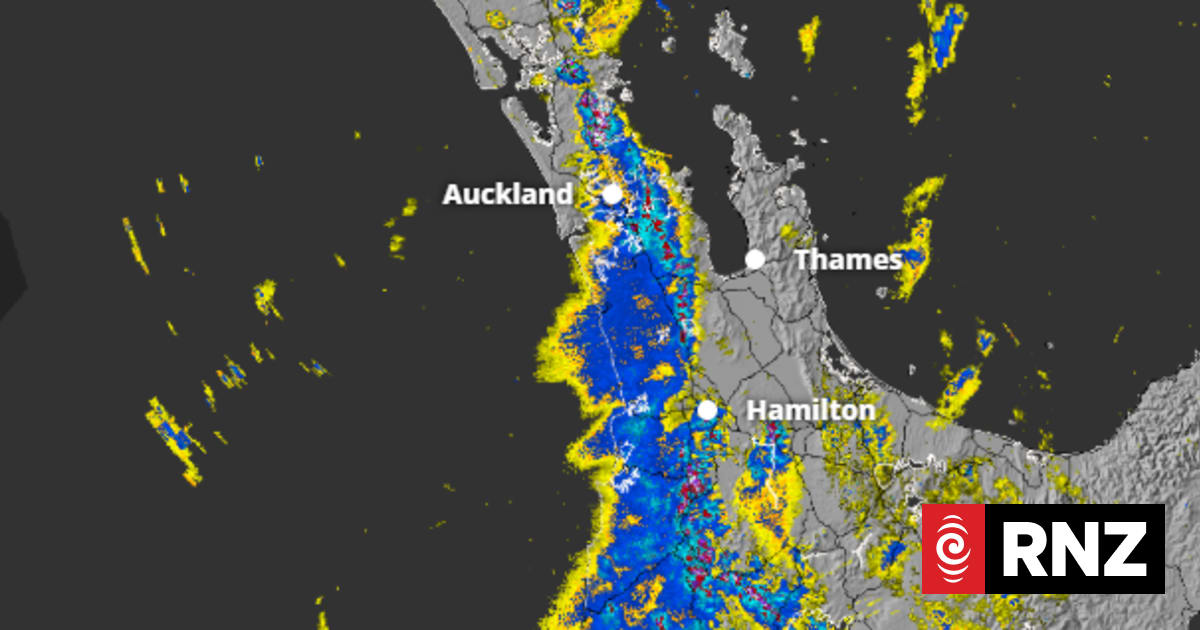
Radar detected severe thunderstorms near western Auckland beaches and communities moving south-southeast [1].
- Saturday 14:24 local
Forecasters issued severe thunderstorm warnings for Waikato, Waitākere, Franklin, and Rodney [1].
- Saturday late afternoon
Emergency services responded to storm damage in Auckland and Blenheim, while lightning delayed a local football match [2].
What you need to know
Severe weather watches and warnings covered broad areas of both the North Island and South Island.
Intense downpours reached rates between 25mm and 40mm an hour, causing localized surface flooding.
The weather caused minor property damage, including a fallen billboard and roof collapses in Auckland and Blenheim.
Forecasters advised voters that rain would be intermittent and encouraged people to monitor rain radars between showers.
The total extent of localized storm damage across the country and whether the weather impacted overall election turnout have not been confirmed.
Background
As New Zealand approaches the summer season, warm and humid weather systems moving across the North Island often generate atmospheric instability. According to weather forecasters, warm surface air rises rapidly into cooler upper atmospheric layers, where it freezes to form large hailstones before falling back to the ground.
On election day, these convective weather patterns created intense downpours, lightning, and hail across Auckland, Waikato, Taranaki, and areas extending down to the South Island. Fire crews were called to several weather-related incidents, though meteorologists noted that such heat-driven storms are typical seasonal occurrences.
Questions people ask
What caused the large hail and sudden thunderstorms?
A warm, moisture-heavy air mass collided with rapidly cooling conditions high in the atmosphere, producing intense convective thunderstorms and hail.
Did the storms affect voting across New Zealand?
Meteorologists noted that rain was intermittent rather than continuous throughout the day, advising people to check rain radars to find dry windows to vote.
Which regions were placed under severe weather alerts?
Alerts covered Auckland, Coromandel, Waikato, Bay of Plenty, Taranaki, Wellington, and inland sections of the South Island north of Tekapo.
Where this came from
Found through Google Trends and drafted with AI from at least two cited sources. Published automatically after passing our automated checks for sources, wording and safety. It may not have been reviewed by a person yet. Report a correction.