


Why is KOSPI trending today?
KOSPI is trending due to Goldman Sachs' recent cut of its 12-month target to 7,500, reflecting market pessimism and concerns about memory chip performance.
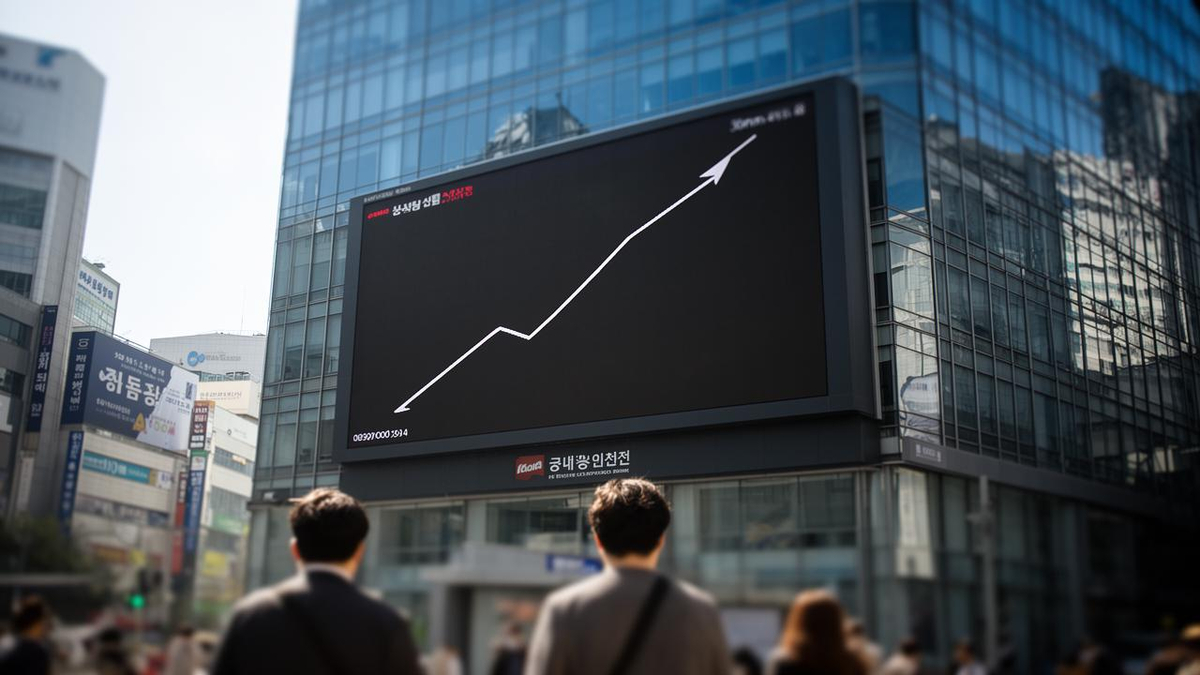
What happened
- 17 Nov, 06:30 UTC
Goldman Sachs cuts KOSPI target to 7,500, down from 9,000 [1]
- 25 Oct, 06:30 UTC
Goldman Sachs cuts KOSPI target to 9,000, down from 12,000 [1]
- 3 Jun, 06:30 UTC
Goldman Sachs sets KOSPI target at 12,000 [1]
What you need to know
Goldman Sachs maintains an 'overweight' rating on KOSPI.
The bank sees potential upside in non-memory sectors and governance reforms.
Market pessimism about memory chip performance is considered excessive.
The exact impact of AI sentiment shock on KOSPI is not confirmed.
Background
Goldman Sachs has reduced its KOSPI target twice in three weeks, from 12,000 to 9,000 and then to 7,500. Despite the lower target, the bank maintains a positive outlook on Korean equities, citing opportunities in non-memory sectors and governance reforms. The bank's assessment is that market pessimism about memory chip performance is excessive, with memory supply shortages expected to continue through 2028 or 2030.
The bank projects a slowdown in earnings growth for Samsung Electronics and SK Hynix, with EPS growth rates expected to decrease significantly in 2028. However, it sees potential in sectors with historically low valuations, such as financials.
Thursday's market session showed how fragile sentiment is, with the KOSPI falling around 2% at its low as chip stocks sold off, before recovering slightly.
Questions people ask
Why did Goldman Sachs cut its KOSPI target?
Goldman Sachs cut its KOSPI target due to market pessimism and concerns about memory chip performance.
What is Goldman Sachs' current outlook on KOSPI?
Goldman Sachs maintains an 'overweight' rating on KOSPI and sees potential upside in non-memory sectors and governance reforms.
What is the expected impact of AI sentiment shock on KOSPI?
The exact impact of AI sentiment shock on KOSPI is not confirmed.
Where this came from

Found through Google Trends and drafted with AI from at least two cited sources. Published automatically after passing our automated checks for sources, wording and safety. It may not have been reviewed by a person yet. Report a correction.