


Why is haze trending in Singapore today?
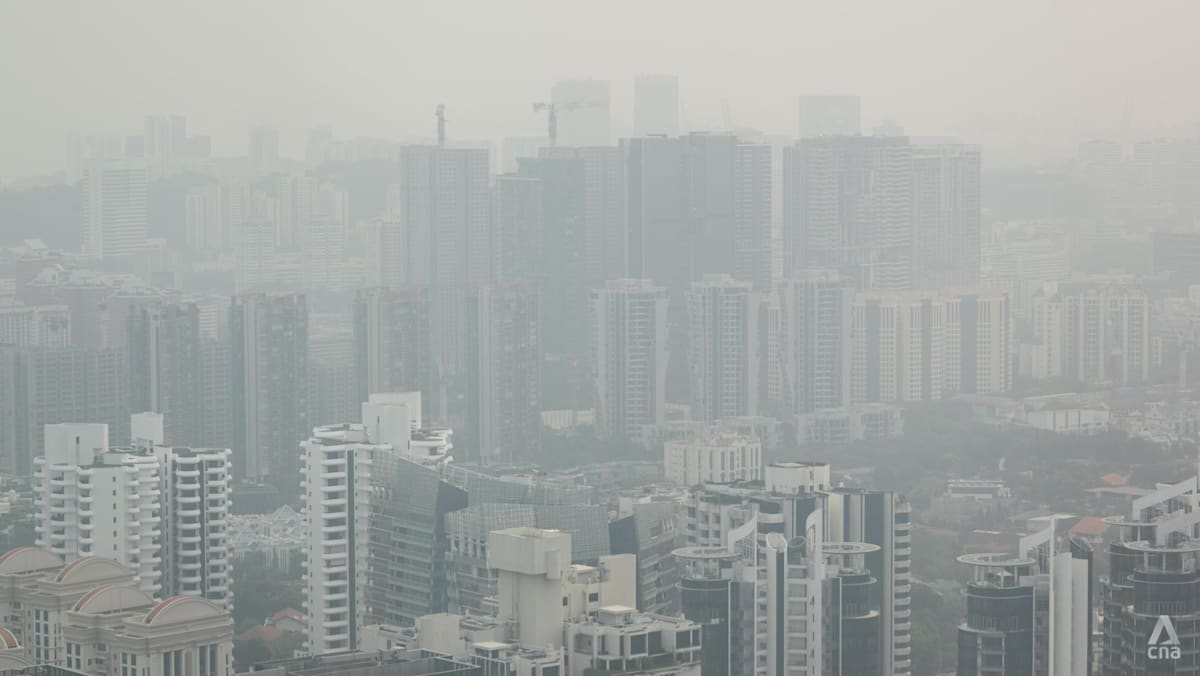
Haze is trending because smoke from ongoing wildfires in Sumatra and Kalimantan is drifting over Singapore, raising PM2.5 levels into the high band and keeping the 24‑hour PSI in the unhealthy range.
What happened
- Earlier
The 24‑hour PSI entered the unhealthy band across Singapore at noon on Wednesday and stayed there overnight, with the west region hitting a 1‑hour PM2.5 high of 152 at 4 pm on Wednesday – the first high‑band reading this haze season [1]
- Oct 8, 22:00 UTC
1‑hour PM2.5 readings in the west rose to 158 at 10 pm, central to 151 at 9 pm and east to 152 at 11 pm, keeping most areas in the high pollution band [3]
What you need to know
Reduce strenuous outdoor activity when 1‑hour PM2.5 exceeds 151 µg/m³.
Elderly, pregnant women, children and those with heart or lung conditions should avoid outdoor exertion.
Check NEA’s 24‑hour PSI forecast before planning outdoor events.
Dry conditions in southern Sumatra and Kalimantan are expected to continue, sustaining the haze risk.
The exact duration of the current haze episode is unclear because cloud cover hampers satellite monitoring of fire hotspots.
Background
Indonesia’s 2026 wildfire season has burned about one million hectares, producing smoke that spreads across southern ASEAN, including Singapore [2].
NEA reports that moderate to dense smoke plumes from southern and central Sumatra and West Kalimantan have been drifting towards Singapore, with dry weather in those regions sustaining the haze [1][3].
Singapore’s 24‑hour PSI, which averages six pollutants, has remained in the unhealthy range (101‑200) since early September, marking the longest continuous unhealthy period on record this year [1][3].
Questions people ask
What does an unhealthy PSI mean for daily life?
When PSI is between 101 and 200, NEA advises the public to limit prolonged or strenuous outdoor activities.
Will rain improve the air quality?
Brief showers in northern Singapore lowered some readings on Oct 8, but widespread rain is needed to clear the haze, and forecasts indicate dry conditions will persist in the fire‑affected Indonesian areas.
Is the haze caused by local fires in Singapore?
No. NEA attributes the current haze to transboundary smoke from fires in Sumatra and Kalimantan, not to domestic sources.
Where this came from
[1] channelnewsasia.com
PM2.5 readings 'high' in the west; air quality across most of Singapore remains in unhealthy range
Preview image from channelnewsasia.com
 [2] bbc.com
Watch: Indonesia wildfires shroud Singapore's skyline in toxic haze
Preview image from bbc.com
[2] bbc.com
Watch: Indonesia wildfires shroud Singapore's skyline in toxic haze
Preview image from bbc.com
 [3] straitstimes.com
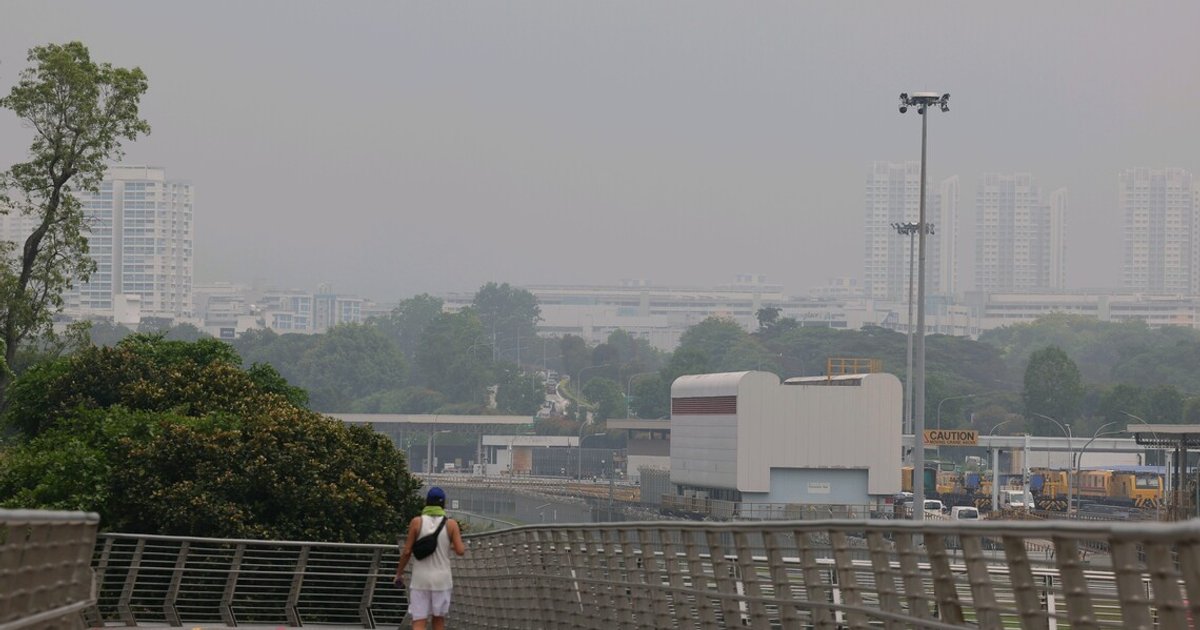
Hazy conditions in Singapore may ease on Oct 9
Preview image from straitstimes.com
[3] straitstimes.com
Hazy conditions in Singapore may ease on Oct 9
Preview image from straitstimes.com
Found through Google Trends and drafted with AI from at least two cited sources. Published automatically after passing our automated checks for sources, wording and safety. It may not have been reviewed by a person yet. Report a correction.