


Why is Germany’s DAX index trending?
Germany's DAX stock index is trending after breaking above 27,000 points for the first time, fueled by AI-related gains, strong corporate earnings, and lower oil prices benefiting energy-intensive firms.
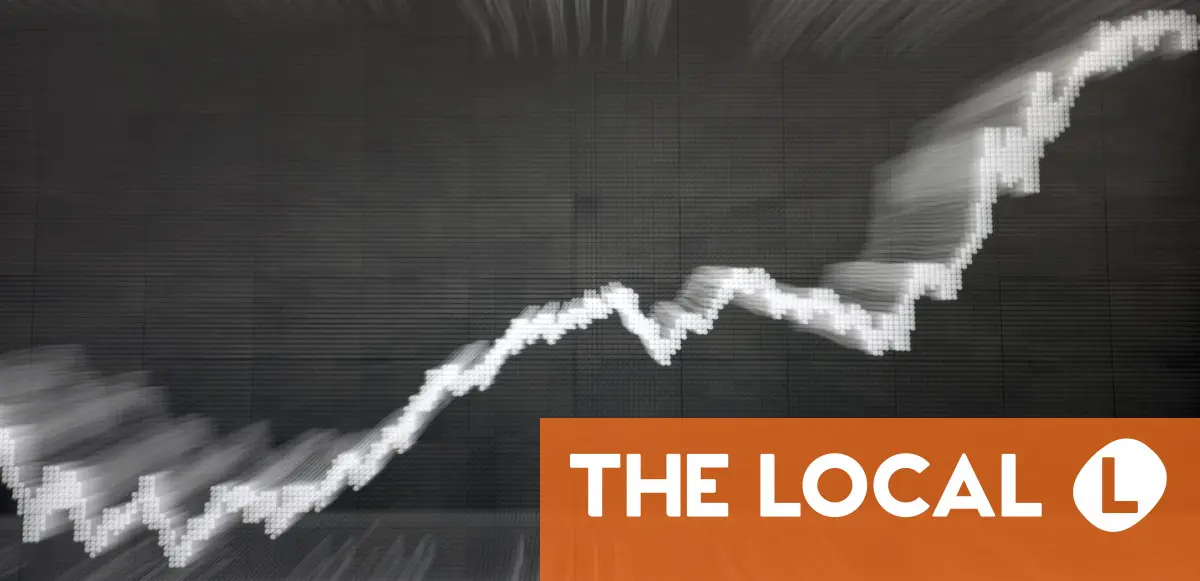
What happened
- 16 Nov 2026
DAX surpasses 27,000 points, boosted by Siemens' record profits tied to data center demand and Zalando's rally after strong results. [1]
What you need to know
The DAX has rallied 6% this quarter, outperforming most European benchmarks after lagging earlier in 2026. [2]
Falling oil prices benefit energy-intensive firms, which make up about a third of the index. [2]
AI optimism and software sector gains (e.g., S SE) contribute significantly to the rally. [1][2]
While Nvidia's leadership controversy is noted as a potential risk, its direct impact on the DAX's current rally remains unclear. [1]
Background
The DAX represents Germany's 40 largest companies, with only 15% of sales coming from domestic markets. [2]
Germany's economy is showing stronger-than-expected growth (1.3% forecast for 2026), supported by fiscal stimulus and defense spending. [1][2]
Lower oil prices and a broadening rally across sectors (software, chemicals, consumer stocks) have lifted the index. [2]
Questions people ask
What drove the DAX's record high?
AI optimism, falling oil prices, and strong earnings from companies like Siemens and Zalando. [1]
Why does lower oil help the DAX?
About a third of DAX firms are energy-intensive, so cheaper oil reduces costs and boosts profits. [2]
Is this rally sustainable?
Analysts cite favorable conditions like fiscal stimulus and economic recovery, but note risks like Nvidia's leadership issues. [1][2]
Where this came from

Found through Google Trends and drafted with AI from at least two cited sources. Published automatically after passing our automated checks for sources, wording and safety. It may not have been reviewed by a person yet. Report a correction.