


Why is the BOM trending in Australia?
The BOM is trending because millions of bogong moths migrating to the Australian Alps are appearing as widespread rain on weather radars. This has caused false precipitation alerts on some weather apps and created confusion across eastern New South Wales and Victoria.
What happened
- Earlier
During the 2000 Olympics closing ceremony, a swarm of bogong moths attracted to stadium lights was mistaken for rain by meteorologists [1], [3].
- Past month
Weather radars across south-eastern Australia consistently show precipitation echoes every night despite clear skies [1].
- 21 Oct, 03:30 UTC
Experts note that while numbers have dropped recently due to rain, many moths are still moving south toward the Snowy Mountains [2].
What you need to know
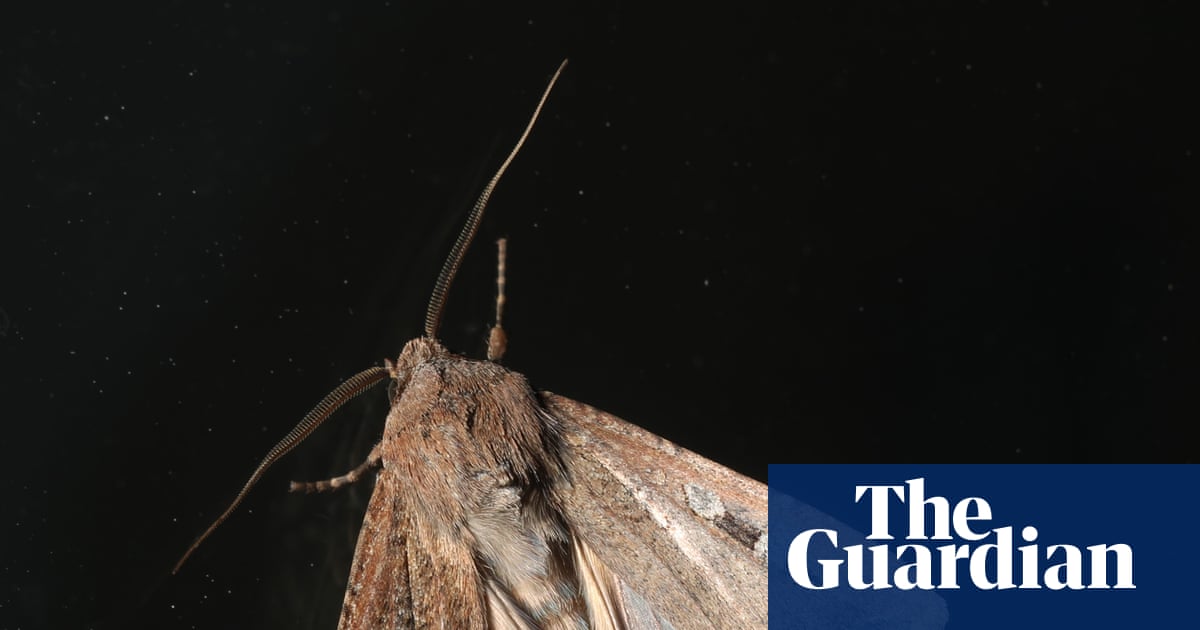
Bogong moths can be identified by a small kidney-shaped spot on their wings [2].
Some weather apps may send false rain alerts because they use raw radar data without verification [1].
Moths have caused practical issues by swarming into gas hot water heater flues and extinguishing the flames [2].
The phenomenon is most visible just after sunset when the moths take flight [1].
It is not confirmed exactly how much of the current radar interference is caused specifically by moths versus other atmospheric factors [1], [3].
Background
Weather radars work by sending radio pulses that bounce off airborne particles. While designed for rain, hail, or snow, these pulses can also reflect off insects, birds, smoke, or buildings [1].
Bogong moths undergo a massive migration to the Australian Alps for the summer, an event with deep Indigenous cultural significance [2]. This year's migration may have been pushed toward the coast by high winds, combined with a strong breeding season [2].
Questions people ask
Why do moths look like rain on radar?
Radar pulses reflect off the bodies and wings of large insect swarms, creating 'echoes' that resemble light, widespread rain [1], [3].
Are the moths causing other problems?
Yes, some plumbers reported a massive surge in calls to relight hot water systems because moths flew into the flues and put out the fires [2].
Where this came from
 [2] illawarramercury.com.au
18 a day: 1100% surge in hot water call outs, but Rhys isn't charging to fix this problem
Preview image from illawarramercury.com.au
 [3] theguardian.com
Cloudy with a chance of moths: bogong swarms are bamboozling weather radars across NSW
Preview image from theguardian.com
Found through Google Trends and drafted with AI from at least two cited sources. Published automatically after passing our automated checks for sources, wording and safety. It may not have been reviewed by a person yet. Report a correction.