


Why are UK blackouts trending?
Recent reports detail the BBC's contingency plans for a 'Black Sky' event—a severe, prolonged blackout. This has raised public awareness about infrastructure vulnerabilities and emergency preparedness in the UK.

What happened
- 5 Dec 2015
A flood-induced blackout in Lancaster left 61,500 people without power, water, and communications for days, exposing critical infrastructure weaknesses. [1][2]
- Earlier
The BBC investigated how the UK would cope with extended blackouts, revealing its own emergency broadcast plans. [1][2]
What you need to know
A 'Black Sky' event refers to a widespread failure of power, communications, and essential services from causes like cyberattacks or extreme weather. [1][2]
The BBC has a secret emergency radio studio with 100 staff ready to broadcast government advice via FM radio for 72 hours using backup generators. [1][2]
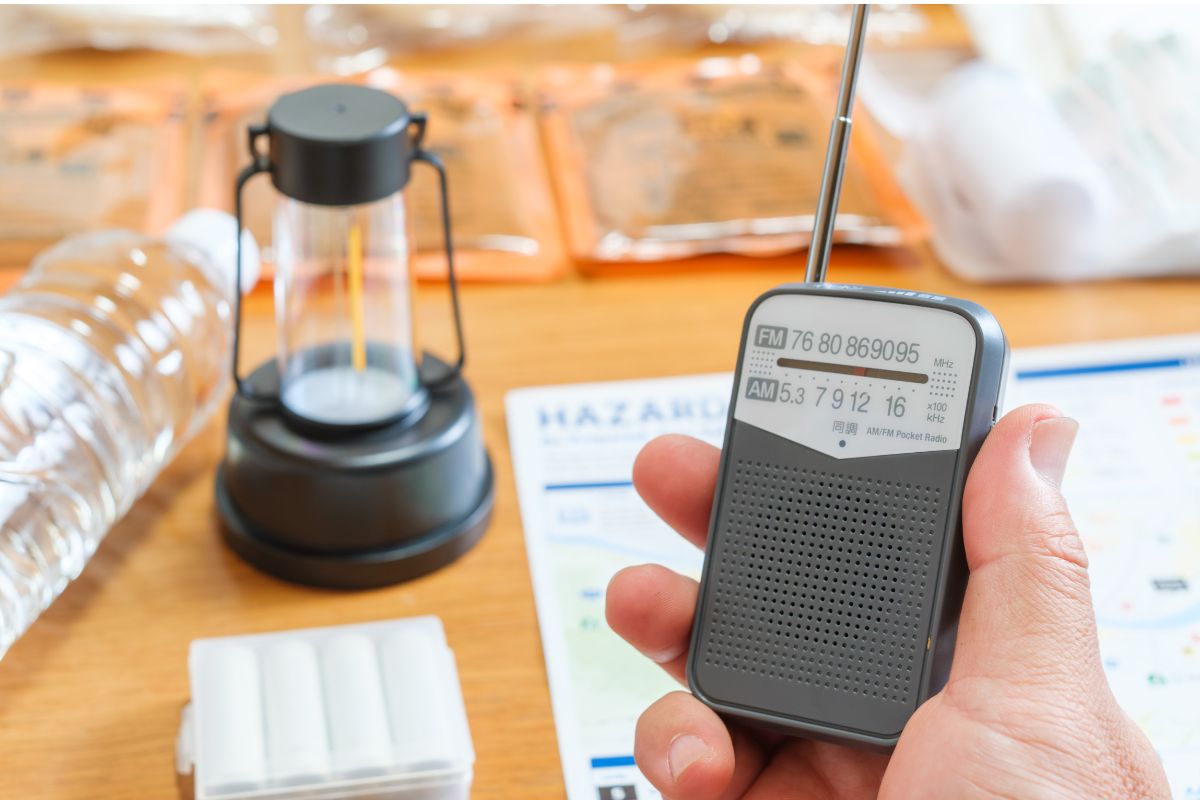
FM radio was the only reliable communication during the 2015 Lancaster blackout, highlighting its importance in crises. [1][2]
The government advises preparing supplies for 72 hours without services, though it stresses no specific threat exists. [1][2]
There is no indication of an imminent blackout risk, as the government states there's no specific threat to the national grid.
Background
The 2015 Lancaster blackout, caused by river flooding, crippled modern infrastructure. Shops, cash machines, traffic lights, and water systems failed. Only copper-wire landlines and FM radio (via emergency generators) worked, becoming lifelines. [1][2]
This event underscored how quickly societal order could break down without power. Experts warn that without electricity, the UK's digital dependence leaves it vulnerable to chaos within days. [1]
The BBC's emergency plans, designed for scenarios like this, prioritize FM radio due to its resilience. Backup generators at transmission sites (holding up to 40,000 liters of fuel) would maintain broadcasts. [2]
Questions people ask
Why FM radio?
FM signals work independently of the internet and mobile networks, which rely on vulnerable power grids. During the Lancaster blackout, it was the only mass communication method available. [1][2]
What should people prepare?
The government's 'Be Ready' campaign advises having enough food, water, and essentials to last 72 hours without external supplies. [1]
Is a blackout likely?
Authorities state there's no specific threat, but the plans prepare for extreme scenarios like cyberattacks or natural disasters. [1][2]
Where this came from
Found through Google Trends and drafted with AI from at least two cited sources. Published automatically after passing our automated checks for sources, wording and safety. It may not have been reviewed by a person yet. Report a correction.