

Why are baobab trees trending in South Africa?
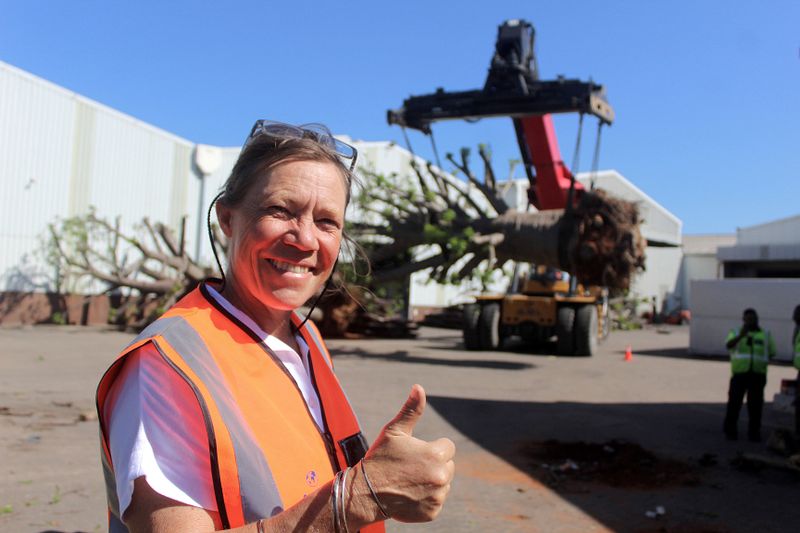
Baobab trees are trending due to a high-profile rescue operation relocating five 300-year-old giants from Durban to the Timbavati Private Nature Reserve. The trees were intercepted before illegal export to Georgia and survived three months stranded in a warehouse parking lot.
What happened
- 17 July 2026
Authorities intercept five baobab trees in Durban, halting their export to Georgia due to missing permits. [2]
- 27 October 2026
Final appeal by exporter Divine Landscapes is dismissed by the Department of Forestry, Fisheries and Environment. [2]
- 11 November 2026
First trees loaded onto trucks for the 900km journey to Mpumalanga as part of 'Operation Baobab'. [1][2]
What you need to know
The trees, weighing up to 30 tonnes each, were uprooted from Limpopo without legal permits. [2]
They survived three months lying horizontally on hot paving, subsisting on stored stem water. [1][2]
Private funding covered the rescue after delays in government processes threatened the operation. [1]
The exporter faces criminal charges in January 2027 for illegal removal of protected species. [2]
It remains unconfirmed whether the trees will fully recover after replanting, though ecologists are 'cautiously positive' about their prospects.
Background
Baobabs (Adansonia species) are protected indigenous trees in South Africa, requiring permits for removal or export. [2]
These specimens were destined for properties owned by a Georgian billionaire before interception. [1]
A similar 2026 case saw eight baobabs die after being exported to Georgia from Kenya. [1]
Questions people ask
Why were the baobabs exported to Georgia?
A Pretoria-based company attempted to export them for private landscaping, but lacked required permits. [1][2]
How were the trees rescued?
Ecologist Dr Sarah Venter secured private funding to transport and replant them in a nature reserve. [1][2]
What happens next?
The trees face a delicate recovery process at Timbavati; the exporter's criminal case begins January 2027. [2]
Where this came from

Found through Google Trends and drafted with AI from at least two cited sources. Published automatically after passing our automated checks for sources, wording and safety. It may not have been reviewed by a person yet. Report a correction.