


Why the Bank of Canada Interest Rate Increase Is Trending
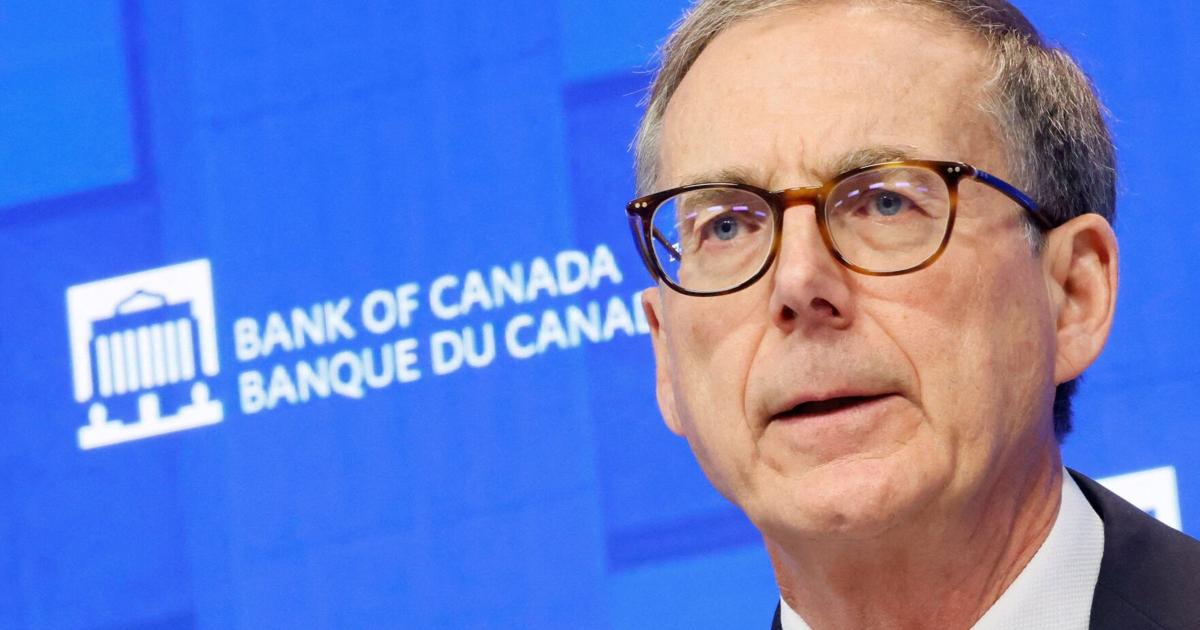
The Bank of Canada is trending after raising its policy interest rate by 25 basis points to 2.50%, its first rate increase in over three years. Following the announcement, major Canadian commercial banks adjusted their standard prime lending rates up to 4.70%. The move has sparked widespread discussion regarding mortgage renewals, household debt, and whether higher rates could slow an already weakening economy.
What happened
- 28 Oct
The central bank raised its target overnight interest rate by 25 basis points to 2.50% [2].
- 29 Oct
Canada's six major commercial banks raised their primary lending rates from 4.45% to 4.70% [2].
- 30 Oct
Statistics Canada released data indicating that economic growth in August performed worse than analysts expected [1].
What you need to know
Major commercial banks raised their baseline prime rates to 4.70% immediately after the policy announcement [2].
Borrowers with variable-rate mortgages or line-of-credit products face increased borrowing costs [2].
Fixed-rate mortgages offer interest payment stability, but breaking them early can involve larger financial penalties than variable loans [2].
Official estimates suggest inflation could reach around 3.5% near the end of 2026 before settling closer to 2% by mid-2028 [2].
It is not yet confirmed whether the central bank will introduce additional rate hikes in its future decisions. The long-term impact of global trade tariffs and energy market fluctuations on Canadian economic growth also remains uncertain.
Background
This interest rate adjustment is the central bank's initial increase in more than three years. Inflation recently moved above three percent, primarily driven by rising international energy prices linked to conflict in the Middle East.
The decision has raised concern among economic analysts and business owners. Critics point out that using interest rate hikes to fight inflation driven by global oil prices does little to address root supply problems while placing extra pressure on indebted households and struggling businesses.
Questions people ask
Why did the Bank of Canada raise interest rates?
The central bank raised rates to slow inflation, which pushed above three percent mainly because of higher international energy costs.
How does the rate hike impact mortgage holders?
Variable-rate mortgage holders will see higher interest costs or increased monthly payments, while those renewing mortgages must weigh variable flexibility against fixed-rate stability.
What rate changes did commercial banks make?
Canada's six primary banks raised their prime lending rates from 4.45% to 4.70%.
Where this came from
[1] thestar.com
Adam Radwanski: Why this week’s Bank of Canada rate increase is so unsettling
Preview image from thestar.com
 [2] ca.finance.yahoo.com
‘The hike changes the math on renewal’: BoC hikes rate for first time in 3 years — should you go fixed or variable?
Preview image from ca.finance.yahoo.com
 [3] theglobeandmail.com
Letters to the editor: ‘Tiff Macklem might well achieve his goal of grinding inflation below 2 per cent. Let’s hope he doesn’t take the rest of us down with it.’ Letters to the editor for Oct. 30
Preview image from theglobeandmail.com
Found through Google Trends and drafted with AI from at least two cited sources. Published automatically after passing our automated checks for sources, wording and safety. It may not have been reviewed by a person yet. Report a correction.